
Sign up to save your podcasts
Or

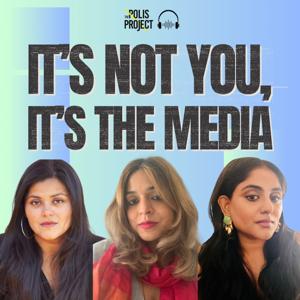

The hosts take a sharp, witty, and incisive look at the identity crisis of Indian American women in the public eye. From Kamala Harris to Mindy Kaling to Usha Vance, the hosts ask: why is the dominant representation of the Indian American woman so adjacent to whiteness? Why does she either perform hyper-assimilation or lean into fetishised exoticism? In an era where South Asian identity is being flattened into elite, upper-caste, and Hindu-coded narratives, how do we reclaim a more expansive, authentic brown identity?
The hosts dissect Mindy Kaling’s on-screen self-erasure, Usha Vance’s conservative alliances, and the broader South Asian diaspora’s complicity in white supremacy. They examine how caste privilege shapes diasporic politics, how food and media representation have been co-opted, and why so many Indian Americans seek proximity to power instead of solidarity with marginalised communities.
This episode also asks: is there a way forward? They explore figures like Padma Lakshmi, who has maintained an unabashedly brown identity despite liberal constraints, and critique the rise of regressive South Asian comedy that recycles tired stereotypes for Western approval. From Indian Matchmaking’s caste erasure to Zarna Garg’s traditional parenting jokes, the hosts unpack why certain narratives thrive while others are erased.
Key TakeawaysReferences
"The Coconut Empire: How Mindy Kaling Has Created a Prototype of the Indian-American Woman Who Aspires to Whiteness" by Bhakti Shringarpure https://www.thepolisproject.com/read/mindy-kaling-coconut-indian-american/
KeywordsIndian American, caste privilege, whiteness, South Asian diaspora, Mindy Kaling, Kamala Harris, Usha Vance, Priyanka Chopra, Padma Lakshmi, model minority myth, Bollywood, Indian Matchmaking, Zarna Garg, comedy stereotypes, brown identity, liberal politics, white supremacy, Hindu nationalism, feminism, intersectionality.
A podcast by The Polis Project www.thepolisproject.com
 View all episodes
 By Radical Books Collective
The hosts take a sharp, witty, and incisive look at the identity crisis of Indian American women in the public eye. From Kamala Harris to Mindy Kaling to Usha Vance, the hosts ask: why is the dominant representation of the Indian American woman so adjacent to whiteness? Why does she either perform hyper-assimilation or lean into fetishised exoticism? In an era where South Asian identity is being flattened into elite, upper-caste, and Hindu-coded narratives, how do we reclaim a more expansive, authentic brown identity?
The hosts dissect Mindy Kaling’s on-screen self-erasure, Usha Vance’s conservative alliances, and the broader South Asian diaspora’s complicity in white supremacy. They examine how caste privilege shapes diasporic politics, how food and media representation have been co-opted, and why so many Indian Americans seek proximity to power instead of solidarity with marginalised communities.
This episode also asks: is there a way forward? They explore figures like Padma Lakshmi, who has maintained an unabashedly brown identity despite liberal constraints, and critique the rise of regressive South Asian comedy that recycles tired stereotypes for Western approval. From Indian Matchmaking’s caste erasure to Zarna Garg’s traditional parenting jokes, the hosts unpack why certain narratives thrive while others are erased.
Key TakeawaysReferences
"The Coconut Empire: How Mindy Kaling Has Created a Prototype of the Indian-American Woman Who Aspires to Whiteness" by Bhakti Shringarpure https://www.thepolisproject.com/read/mindy-kaling-coconut-indian-american/
KeywordsIndian American, caste privilege, whiteness, South Asian diaspora, Mindy Kaling, Kamala Harris, Usha Vance, Priyanka Chopra, Padma Lakshmi, model minority myth, Bollywood, Indian Matchmaking, Zarna Garg, comedy stereotypes, brown identity, liberal politics, white supremacy, Hindu nationalism, feminism, intersectionality.
A podcast by The Polis Project www.thepolisproject.com