Food Scene Miami
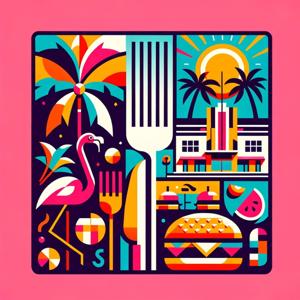
Miami doesn’t stroll onto the national food stage; it samba-walks in wearing sequins and smelling faintly of lime, grilled snapper, and very expensive perfume. According to Restaurant Business reporting cited by Miami New Times, South Beach’s Mila is now the most lucrative independent restaurant in the United States, a theatrical, fire-kissed Asian fusion playground where plates arrive in clouds of smoke and cocktails sparkle like Biscayne Bay at sunset. That headline alone tells listeners everything about Miami right now: this city dines like it means it.
Across the city, new concepts are opening with the confidence of a town that knows the world is watching. In Wynwood, Aiko & Mumu pairs fluffy Japanese milk-bread sandwiches by day with a sultry, neon-lit Asian bistro at night, reflecting a neighborhood where street art and serious cooking share the same canvas. Over in Coral Gables, Basilico Ristorante leans into handmade pastas and coastal Italian seafood, reminding everyone that comfort and craft still matter in a city obsessed with spectacle.
Miami’s Afro-Caribbean soul is pulsing louder than ever. At Las’ Lap in South Beach, chef Kwame Onwuachi layers rum-soaked cocktails with dishes like oxtail Cubanos and wagyu griot, capturing the collision of Caribbean diaspora flavors and Miami nightlife energy in every bite. Longtime institutions such as Sergio’s, expanding into Pinecrest with its ventanita for cafecitos, pastelitos, and croquetas, keep the city anchored in Cuban tradition even as shiny newcomers crowd the skyline.
Trends here tend to arrive fully formed. Speakeasy-style bars hide behind unmarked doors, rum lounges treat sugarcane like Burgundy, and food halls give young chefs room to riff on everything from Nikkei ceviche to Haitian pikliz-topped burgers. Local waters and farms do quiet heavy lifting: listeners will taste Key West pink shrimp, Florida spiny lobster, citrus, and plantains reimagined in tasting menus that might also feature Japanese binchotan, Iberian sauces, or Peruvian ají amarillo.
Design is part of the flavor profile. Time Out Miami notes spots like Sereia in Coconut Grove and Oro in Miami Beach, where dining rooms glow in seafoam curves and golden arches, turning dinner into a full-sensory performance.
What makes Miami’s culinary scene unique is its refusal to choose between fine dining and full-on party, between abuela’s sofrito and omakase precision. This is a city where a ventanita croqueta and a $200 tasting menu feel like chapters of the same story. For listeners who chase what’s next in food, Miami isn’t just on the radar; it is the radar..
Get the best deals https://amzn.to/3ODvOta
This content was created in partnership and with the help of Artificial Intelligence AI
This episode includes AI-generated content.



 View all episodes
