
Sign up to save your podcasts
Or

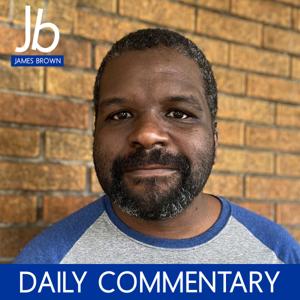

Ever get that sinking feeling when your credit card bill arrives? Yeah, me too! We’re diving into the sneaky world of minimum payments in this episode, where we chat about how that seemingly friendly option can actually be a trap. I mean, paying just 10 or 20 bucks might sound like a breeze, but that little choice can turn your $4 coffee into a $40 nightmare over time! We’ll explore the idea that these minimum payments are less of a cushion and more of a leash, keeping us tied to our spending habits longer than we’d like. So grab a seat, maybe a snack, and let’s unravel the mystery of credit cards and how we can break free from their clutches! Ever found yourself staring at your credit card bill, feeling that familiar sting in your wallet? Yeah, me too! James A. Brown dives into the murky waters of credit card payments and how those seemingly harmless minimum payments can turn into a financial quicksand. He kicks things off by pointing out the bitter irony of those minimum payments: they feel like a little lifeline, but they can actually lead to dragging out your debt for years. You might think, 'Oh, just pay the minimum—10 bucks, maybe 20, no biggie!' But James reveals the not-so-fun math behind it. That innocent $4 coffee? If you stretch it over time, it can balloon to a whopping $40! Yikes! The conversation shifts into an exploration of the psychological traps embedded in our spending habits. Are those minimum payments a cushion that provides some breathing room, or are they more like a leash, tethering you to your debt? James encourages listeners to rethink their approach and to share their thoughts in the comments. He’s not just throwing out a question—he’s inviting us to engage and reflect on our financial choices. With a relaxed tone and a sprinkle of humor, James makes a serious topic approachable, reminding us that while our spending habits might not seem significant at first, they can have long-lasting impacts that we need to consider carefully.
Takeaways:
Links referenced in this episode:
 View all episodes
 By James A. Brown
Ever get that sinking feeling when your credit card bill arrives? Yeah, me too! We’re diving into the sneaky world of minimum payments in this episode, where we chat about how that seemingly friendly option can actually be a trap. I mean, paying just 10 or 20 bucks might sound like a breeze, but that little choice can turn your $4 coffee into a $40 nightmare over time! We’ll explore the idea that these minimum payments are less of a cushion and more of a leash, keeping us tied to our spending habits longer than we’d like. So grab a seat, maybe a snack, and let’s unravel the mystery of credit cards and how we can break free from their clutches! Ever found yourself staring at your credit card bill, feeling that familiar sting in your wallet? Yeah, me too! James A. Brown dives into the murky waters of credit card payments and how those seemingly harmless minimum payments can turn into a financial quicksand. He kicks things off by pointing out the bitter irony of those minimum payments: they feel like a little lifeline, but they can actually lead to dragging out your debt for years. You might think, 'Oh, just pay the minimum—10 bucks, maybe 20, no biggie!' But James reveals the not-so-fun math behind it. That innocent $4 coffee? If you stretch it over time, it can balloon to a whopping $40! Yikes! The conversation shifts into an exploration of the psychological traps embedded in our spending habits. Are those minimum payments a cushion that provides some breathing room, or are they more like a leash, tethering you to your debt? James encourages listeners to rethink their approach and to share their thoughts in the comments. He’s not just throwing out a question—he’s inviting us to engage and reflect on our financial choices. With a relaxed tone and a sprinkle of humor, James makes a serious topic approachable, reminding us that while our spending habits might not seem significant at first, they can have long-lasting impacts that we need to consider carefully.
Takeaways:
Links referenced in this episode: