
Sign up to save your podcasts
Or

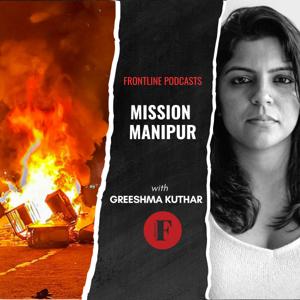

Episode 16 of Mission Manipur, titled “Three Years”, centres on what prolonged ethnic violence has done to everyday life, especially for children growing up amid displacement, fear, and constant uncertainty, with psychiatrist Dr R.K. Lenin Singh explaining the psychological toll. It moves through Manipur’s buffer zones—militarised spaces where burnt homes are being rebuilt but life remains unliveable, schools and markets are absent, and movement is tightly controlled—while fresh clashes in Ukhrul add another layer of displacement. Through conversations with residents such as Lalam Vaiphei and singer Birbal Meetei, the episode captures how “return” does not mean recovery, and how the closing of relief camps leaves families with shrinking choices. It also documents contested property and control in Imphal, the shadow of groups like Arambai Tenggol, and the way public commemorations of May 3 coexist with provocative rhetoric and stalled accountability. The episode closes with the voice of Vungngaimang, a displaced survivor living with PTSD, drawing attention to the silent crises—mental health, stigma, and abandonment—that deepen as the conflict drags on.
 View all episodes
 By Frontline
Episode 16 of Mission Manipur, titled “Three Years”, centres on what prolonged ethnic violence has done to everyday life, especially for children growing up amid displacement, fear, and constant uncertainty, with psychiatrist Dr R.K. Lenin Singh explaining the psychological toll. It moves through Manipur’s buffer zones—militarised spaces where burnt homes are being rebuilt but life remains unliveable, schools and markets are absent, and movement is tightly controlled—while fresh clashes in Ukhrul add another layer of displacement. Through conversations with residents such as Lalam Vaiphei and singer Birbal Meetei, the episode captures how “return” does not mean recovery, and how the closing of relief camps leaves families with shrinking choices. It also documents contested property and control in Imphal, the shadow of groups like Arambai Tenggol, and the way public commemorations of May 3 coexist with provocative rhetoric and stalled accountability. The episode closes with the voice of Vungngaimang, a displaced survivor living with PTSD, drawing attention to the silent crises—mental health, stigma, and abandonment—that deepen as the conflict drags on.