
Sign up to save your podcasts
Or

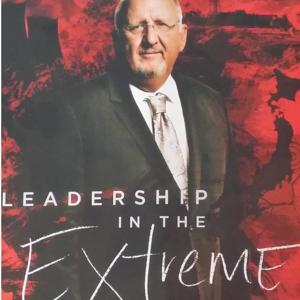

This educational module explores the transition from routine operations to extreme leadership when unforeseen catastrophes, or Black Swans, render standard procedures obsolete. By analyzing historical nuclear crises like Fukushima and Zaporizhzhia, the text illustrates how complacency and a failure of imagination often precede disaster, necessitating a shift from administrative management to adaptive, decisive action. The curriculum emphasizes vital leadership principles such as establishing a shared reality through transparent communication, maintaining physical presence at the scene, and exercising the operator’s prerogative to defy corporate orders in favor of public safety. Ultimately, the material seeks to build adaptive capacity in operators, moving beyond rote training to ensure they can navigate the "fog of war" and act faster than a crisis can progress.
 View all episodes
 By CHARLES CASTO
This educational module explores the transition from routine operations to extreme leadership when unforeseen catastrophes, or Black Swans, render standard procedures obsolete. By analyzing historical nuclear crises like Fukushima and Zaporizhzhia, the text illustrates how complacency and a failure of imagination often precede disaster, necessitating a shift from administrative management to adaptive, decisive action. The curriculum emphasizes vital leadership principles such as establishing a shared reality through transparent communication, maintaining physical presence at the scene, and exercising the operator’s prerogative to defy corporate orders in favor of public safety. Ultimately, the material seeks to build adaptive capacity in operators, moving beyond rote training to ensure they can navigate the "fog of war" and act faster than a crisis can progress.