
Sign up to save your podcasts
Or

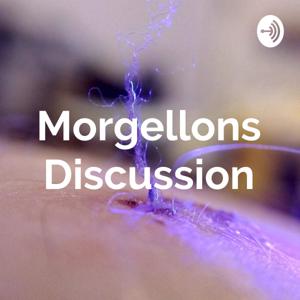

Morgellons is not a mystery; it is microbiology. In this 15-minute clinical briefing, host Jeremy Murphree strips away the stigma of "unexplained dermopathy" and replaces it with a concrete bacterial framework. For years, patients have been trapped in the "Delusional Parasitosis" (DP) label—a diagnostic dead end that halts medical investigation. Today, we turn the tide.
In this episode, we cover:
The Diagnostic Barrier: Why the DP label is used to gaslight patients and how to bypass the "negative test trap."
The Spirochetal Link: Exploring the connection between Borrelia (Lyme Disease), Syphilis, and the cutaneous manifestations of infection.
Biofilm Science: How mixed biofilms and proteins like β-amyloid protect pathogens from the immune system.
The Middelveen Criteria: Breaking down the Stages A–C of infection and the truth about human biofilaments (keratin/collagen) vs. textile myths.
Your Action Plan: How to find ILADS-trained doctors, demand "Direct Detection" (PCR/FISH) testing, and access financial aid.
Stop fighting for belief and start fighting with biochemistry.
Middelveen, M. J., et al. (2015). Exploring the association between Morgellons disease and Lyme disease: identification of Borrelia burgdorferi in Morgellons disease patients. BMC Dermatology. Read the full study here.
Key takeaway: Confirmed the presence of spirochetes in 24 out of 25 MD patients.
Middelveen, M. J., et al. (2020). Classification and Staging of Morgellons Disease: Lessons from Syphilis. Clinical, Cosmetic and Investigational Dermatology. Read the full study here.
Key takeaway: Establishes the Classes I-IV and Stages A-C framework used in the episode.
Middelveen, M. J., & Stricker, R. B. (2016). Morgellons disease: a filamentous borrelial dermatitis. International Journal of General Medicine. Read the full study here.
Key takeaway: Provides the histological proof that fibers are human biofilaments (keratin/collagen).
Ekbom, K. A. (1938). Der prasenile Dermatozoenwahn. (The original study on "delusions" where subjects actually had syphilis).
Vié, J. (1935). Les idées de possession et d'infestation parasitaires. (Early documentation of spirochetal links to parasitic delusions).
The New Morgellons Movement - Free Morgellons Course
The Charles E. Holman Morgellons Disease Foundation (CEHMDF): The leading source for MD research, patient education, and financial aid information. Visit thecehf.org.
ILADS (International Lyme and Associated Diseases Society): For finding clinicians who specialize in complex tick-borne infections and intracellular-targeting protocols. Visit ilads.org.
IU Indianapolis ScholarWorks: For accessing the latest posters and data on the diagnostic overlaps between DP and MD. Search the Repository.
Tick-Borne Disease Working Group (TBDWG): 2020 Report to Congress. This report acknowledges the gaps in diagnosis and the need for better validation of Lyme-related conditions. Download the 2020 Report.
 View all episodes
 By Jeremy Murphree

4.8
55 ratings
Morgellons is not a mystery; it is microbiology. In this 15-minute clinical briefing, host Jeremy Murphree strips away the stigma of "unexplained dermopathy" and replaces it with a concrete bacterial framework. For years, patients have been trapped in the "Delusional Parasitosis" (DP) label—a diagnostic dead end that halts medical investigation. Today, we turn the tide.
In this episode, we cover:
The Diagnostic Barrier: Why the DP label is used to gaslight patients and how to bypass the "negative test trap."
The Spirochetal Link: Exploring the connection between Borrelia (Lyme Disease), Syphilis, and the cutaneous manifestations of infection.
Biofilm Science: How mixed biofilms and proteins like β-amyloid protect pathogens from the immune system.
The Middelveen Criteria: Breaking down the Stages A–C of infection and the truth about human biofilaments (keratin/collagen) vs. textile myths.
Your Action Plan: How to find ILADS-trained doctors, demand "Direct Detection" (PCR/FISH) testing, and access financial aid.
Stop fighting for belief and start fighting with biochemistry.
Middelveen, M. J., et al. (2015). Exploring the association between Morgellons disease and Lyme disease: identification of Borrelia burgdorferi in Morgellons disease patients. BMC Dermatology. Read the full study here.
Key takeaway: Confirmed the presence of spirochetes in 24 out of 25 MD patients.
Middelveen, M. J., et al. (2020). Classification and Staging of Morgellons Disease: Lessons from Syphilis. Clinical, Cosmetic and Investigational Dermatology. Read the full study here.
Key takeaway: Establishes the Classes I-IV and Stages A-C framework used in the episode.
Middelveen, M. J., & Stricker, R. B. (2016). Morgellons disease: a filamentous borrelial dermatitis. International Journal of General Medicine. Read the full study here.
Key takeaway: Provides the histological proof that fibers are human biofilaments (keratin/collagen).
Ekbom, K. A. (1938). Der prasenile Dermatozoenwahn. (The original study on "delusions" where subjects actually had syphilis).
Vié, J. (1935). Les idées de possession et d'infestation parasitaires. (Early documentation of spirochetal links to parasitic delusions).
The New Morgellons Movement - Free Morgellons Course
The Charles E. Holman Morgellons Disease Foundation (CEHMDF): The leading source for MD research, patient education, and financial aid information. Visit thecehf.org.
ILADS (International Lyme and Associated Diseases Society): For finding clinicians who specialize in complex tick-borne infections and intracellular-targeting protocols. Visit ilads.org.
IU Indianapolis ScholarWorks: For accessing the latest posters and data on the diagnostic overlaps between DP and MD. Search the Repository.
Tick-Borne Disease Working Group (TBDWG): 2020 Report to Congress. This report acknowledges the gaps in diagnosis and the need for better validation of Lyme-related conditions. Download the 2020 Report.