
Sign up to save your podcasts
Or

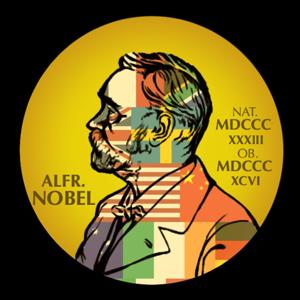

In this episode, we are joined by Dr. Mónika Dánél, Assistant Professor at Eötvös Loránd University in Budapest. Dr. Dánél, a lead investigator for the research project Space-ing Otherness: Cultural Images of Space, Contact Zones in Contemporary Hungarian and Romanian Film and Literature, specializes in comparative literature with a focus on multilingualism in East-Central European contexts.
We explore her argument that multilingualism, rather than the nation, serves as a more effective lens for studying comparative literature in this region. Dr. Dánél discusses why this approach better captures the cultural and literary dynamics of East-Central Europe. We also delve into how a multilingual perspective reshapes our understanding of the Prize, often seen as a “literary Olympics,” and challenges traditional notions of literary canons by highlighting writers with multiple national and cultural identities.
 View all episodes
 By Michael Ka-Chi Cheuk
In this episode, we are joined by Dr. Mónika Dánél, Assistant Professor at Eötvös Loránd University in Budapest. Dr. Dánél, a lead investigator for the research project Space-ing Otherness: Cultural Images of Space, Contact Zones in Contemporary Hungarian and Romanian Film and Literature, specializes in comparative literature with a focus on multilingualism in East-Central European contexts.
We explore her argument that multilingualism, rather than the nation, serves as a more effective lens for studying comparative literature in this region. Dr. Dánél discusses why this approach better captures the cultural and literary dynamics of East-Central Europe. We also delve into how a multilingual perspective reshapes our understanding of the Prize, often seen as a “literary Olympics,” and challenges traditional notions of literary canons by highlighting writers with multiple national and cultural identities.