
Sign up to save your podcasts
Or

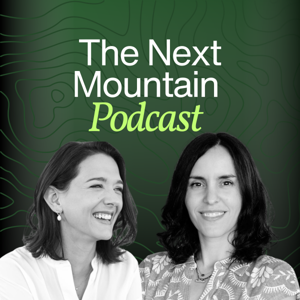

Natasha Freidus calls herself an "accidental founder." While volunteering with refugees in France around 2015, she went looking for a simple tool to match needs with offers in real time, and when she couldn't find one, she used a wedding registry instead. That improvised fix became the proof of concept for Needslist, a software company that went on to match millions of dollars in aid through crises from Hurricane Dorian to the fall of Kabul to the war in Ukraine, before she exited on New Year's Eve, 2024.
In this conversation, Tasha reimagines what business for good can actually look like. She's candid about the myths she was taught in accelerators (the unicorn model, the hockey stick), why impact investors often made her jump through ten times the hoops for a tenth of the money, and why she now tells early-stage founders not to lead with their impact when they raise.
We talk about her move from global crisis tech to hyper-local, place-based economic development through her work with Shorefast and the Fogo Island Inn. We get into why caring for the places we live is less divisive than the language of "social impact," and the alternative ownership structures (co-ops, employee ownership, steward ownership) that could redistribute wealth instead of concentrating it.
Learn more about Tasha
 View all episodes
 By Next Mountain
Natasha Freidus calls herself an "accidental founder." While volunteering with refugees in France around 2015, she went looking for a simple tool to match needs with offers in real time, and when she couldn't find one, she used a wedding registry instead. That improvised fix became the proof of concept for Needslist, a software company that went on to match millions of dollars in aid through crises from Hurricane Dorian to the fall of Kabul to the war in Ukraine, before she exited on New Year's Eve, 2024.
In this conversation, Tasha reimagines what business for good can actually look like. She's candid about the myths she was taught in accelerators (the unicorn model, the hockey stick), why impact investors often made her jump through ten times the hoops for a tenth of the money, and why she now tells early-stage founders not to lead with their impact when they raise.
We talk about her move from global crisis tech to hyper-local, place-based economic development through her work with Shorefast and the Fogo Island Inn. We get into why caring for the places we live is less divisive than the language of "social impact," and the alternative ownership structures (co-ops, employee ownership, steward ownership) that could redistribute wealth instead of concentrating it.
Learn more about Tasha