
Sign up to save your podcasts
Or

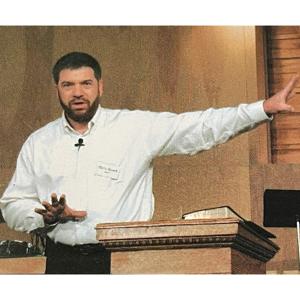

The central message of this sermon is that true commitment to God requires recognizing and owning one's own sinfulness, rather than shifting blame or trying to justify oneself. The people in Nehemiah chapter 9 have prayed through their history, acknowledging their disobedience and God's faithfulness, and are now making a binding commitment to follow God's law. This commitment is not just about external actions, but about internal loyalty and devotion. By doing so, they are recognizing that true change requires individual responsibility, rather than relying on God's grace as an excuse for ongoing sin. The takeaway is that authentic commitment to God involves acknowledging our own flaws and weaknesses, and surrendering to His will, rather than trying to justify ourselves or others.
 View all episodes
 By cstpb
5
22 ratings
The central message of this sermon is that true commitment to God requires recognizing and owning one's own sinfulness, rather than shifting blame or trying to justify oneself. The people in Nehemiah chapter 9 have prayed through their history, acknowledging their disobedience and God's faithfulness, and are now making a binding commitment to follow God's law. This commitment is not just about external actions, but about internal loyalty and devotion. By doing so, they are recognizing that true change requires individual responsibility, rather than relying on God's grace as an excuse for ongoing sin. The takeaway is that authentic commitment to God involves acknowledging our own flaws and weaknesses, and surrendering to His will, rather than trying to justify ourselves or others.