
Sign up to save your podcasts
Or

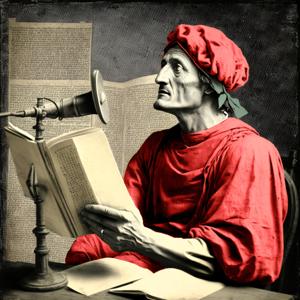

Today we read Non ha l’ottimo artista, by Michelangelo Buonarroti.
Besides painting, sculpting and designing buildings, Michelangelo also wrote poetry. He might not be often remembered for his literary efforts, which he himself considered a “silly thing,” but his sonnets are quite accomplished.
Love is as usual a recurring theme, but it is seldom explored in itself, in the fashion of Petrarca: most of the time themes like death, sin and eternal salvation are interwoven or take center stage.
The result is often a more expressive, sometimes difficult style, with a dark and ominous outlook.
Today’s sonnet is dedicated to the poetess Vittoria Colonna. Michelangelo uses the trope according to which the sculptor doesn’t invent anything, but rather uncovers what is already hidden in the original block of marble.
The original:
 View all episodes
 By Italian Poetry
Today we read Non ha l’ottimo artista, by Michelangelo Buonarroti.
Besides painting, sculpting and designing buildings, Michelangelo also wrote poetry. He might not be often remembered for his literary efforts, which he himself considered a “silly thing,” but his sonnets are quite accomplished.
Love is as usual a recurring theme, but it is seldom explored in itself, in the fashion of Petrarca: most of the time themes like death, sin and eternal salvation are interwoven or take center stage.
The result is often a more expressive, sometimes difficult style, with a dark and ominous outlook.
Today’s sonnet is dedicated to the poetess Vittoria Colonna. Michelangelo uses the trope according to which the sculptor doesn’t invent anything, but rather uncovers what is already hidden in the original block of marble.
The original: