This is your Beijing Bytes: US-China Tech War Updates podcast.
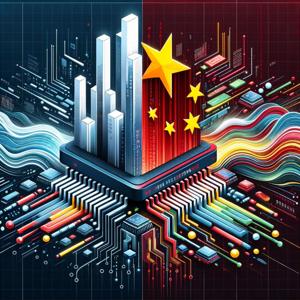
Hey listeners, Ting here with Beijing Bytes, your zippy dive into the US-China tech tango. Picture this: it's March 2026, and the chip wars are hotter than a quantum processor overclocked on rocket fuel. Just days ago, on March 5th, CEPA's Elly Rostoum dropped a bombshell analysis calling US chip policy toward China a "confusing cocktail." Washington's Trump admin flipped the script in January, ditching blanket bans for case-by-case licenses on advanced AI chips, even greenlighting Taiwan Semiconductor Manufacturing Company—TSMC—to ship US tools to its China fabs. But plot twist: they slapped a 25% tariff on some computing chips anyway, citing national security. Then the Supreme Court yanked the rug out, curbing presidential tariff powers, leaving export controls as the messy gatekeeper. Congress is fuming, pushing bills for more oversight on cloud services and prioritizing US buyers. Rostoum nails it—US strategy's blurring lines between ally, rival, and must-have market, while China's just plowing ahead, inefficiencies be damned.
Fast-forward to today, March 6th: Nvidia's waving sayonara to China sales, per a Financial Times scoop. They're halting H200 chip production for Beijing—those "dumbed-down" Hopper variants—and redirecting TSMC capacity to their beastly Vera Rubin platform, the Blackwell successor raking in over $100 billion yearly from data centers. Why? Razor-thin margins on compliant chips don't beat the gold rush elsewhere, especially with US licenses capping sales at puny 75,000 units per customer and China dragging feet. Nvidia's not crying; they're cashing in on hyperscalers in the US and Europe. Beijing's clapback? Premier Li Qiang at the National People's Congress unveiled the 15th Five-Year Plan blueprint, gunning for "new quality productive forces." Think AI agents in 70% of systems by 2027, 90% by 2030, plus quantum tech, 6G, brain-computer interfaces, humanoid robots, EVs, and drones dominating the low-altitude economy. They're pumping funds into startups to hit 12.5% GDP from digital economy by 2030, fostering unicorns to smash US leads. TechSoda warns this could spark "China Shock 2.0"—subsidized exports flooding globals with cheap high-tech like BYD EVs, born from brutal domestic "involution" price wars.
Cyber front's quiet this fortnight—no splashy hacks like SolarWinds redux—but the shadow war rages via export chokepoints. Vinod Khosla echoes Trump: we're in a techno-economic brawl, US restrictions since Biden's 2022 salvoes forcing China's self-reliance sprint. Industry's reeling—US firms like Nvidia pivot, autos and vacuums dodge chip famines echoing COVID chaos. Strategically? America's betting on resilience over denial, but congressional hawks and court limits breed uncertainty. China? Closing gaps with DeepSeek AI and Zuchongzhi quantum prototypes, though scaling lags TSMC's silicon mastery. Forecast: by 2030, expect AI arms race escalation, "two-spe
This content was created in partnership and with the help of Artificial Intelligence AI.



 View all episodes
