
Sign up to save your podcasts
Or

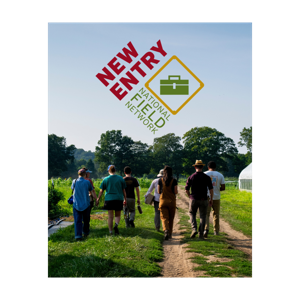

This episode explores how a nonprofit in southeastern Massachusetts manages a large, privately owned property as a shared‑land site for multiple independent farm businesses, balancing farmer autonomy with the complexities of stewarding conserved land owned by a family trust. It focuses on: (1) the origins of the farm’s shared‑land model, including the 10‑year master lease between the landowners and the nonprofit, and the creation of 1–5 year renewable subleases that allow nine farm businesses and roughly 30 farmers to operate individual plots; (2) the nonprofit’s role in onboarding farmers, coordinating land allocation, and providing shared infrastructure such as irrigation, greenhouse space, equipment, and storage, while navigating persistent challenges around water access, limited cold storage, and unclear boundaries with landowners who live on site; (3) the financial structure that sustains the organization with farmer fees, earned income from events and pick‑your‑own operations, individual donors, and grants, alongside the strain created by limited staff capacity and shifting federal and philanthropic funding; (4) the governance and communication systems that support the community, including Slack channels, informal conflict resolution, a grievance process, and efforts to increase farmer participation in decision‑making through stipends, interpreters, and facilitated meetings; and (5) the major lessons emerging from seven years of operation, especially the need for clearer roles and boundaries with landowners, more time for infrastructure setup before inviting farmers onto the land, stronger systems for shared equipment and facilities, and the inherent tension of operating a shared‑land model on property the nonprofit does not own.
 View all episodes
 By FIELD Network
This episode explores how a nonprofit in southeastern Massachusetts manages a large, privately owned property as a shared‑land site for multiple independent farm businesses, balancing farmer autonomy with the complexities of stewarding conserved land owned by a family trust. It focuses on: (1) the origins of the farm’s shared‑land model, including the 10‑year master lease between the landowners and the nonprofit, and the creation of 1–5 year renewable subleases that allow nine farm businesses and roughly 30 farmers to operate individual plots; (2) the nonprofit’s role in onboarding farmers, coordinating land allocation, and providing shared infrastructure such as irrigation, greenhouse space, equipment, and storage, while navigating persistent challenges around water access, limited cold storage, and unclear boundaries with landowners who live on site; (3) the financial structure that sustains the organization with farmer fees, earned income from events and pick‑your‑own operations, individual donors, and grants, alongside the strain created by limited staff capacity and shifting federal and philanthropic funding; (4) the governance and communication systems that support the community, including Slack channels, informal conflict resolution, a grievance process, and efforts to increase farmer participation in decision‑making through stipends, interpreters, and facilitated meetings; and (5) the major lessons emerging from seven years of operation, especially the need for clearer roles and boundaries with landowners, more time for infrastructure setup before inviting farmers onto the land, stronger systems for shared equipment and facilities, and the inherent tension of operating a shared‑land model on property the nonprofit does not own.