
Sign up to save your podcasts
Or

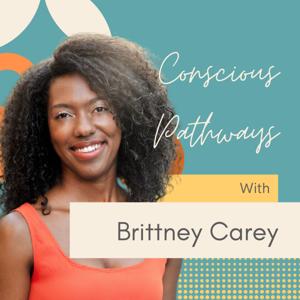

In this solo episode of Conscious Pathways, I delve into the intricate web of teaching students how to read, drawing from my own childhood memories and the broader landscape of literacy in the United States.
I reflect on a pivotal moment when I, too, faced the challenge of reading below grade level. My journey took a fortunate turn with a dedicated third-grade teacher, but I can't help but ponder: What about those students who never grasp the essence of reading?
We embark on a historical journey, exploring the evolution of reading instruction in the U.S. From the explicit focus on phonics in the 1800-1900s to the resurgence in the 1960s and the current debate on structured literacy, we unravel the threads that have woven the tapestry of reading education.
Diving into the neuroscience of reading, we navigate through data on declining reading scores, understanding the critical link between early reading proficiency and future academic success. How has the approach to teaching reading shifted over the years, and what impact does it have on students?
We explore various methodologies, from the pillars of structured literacy instruction to the controversial Three Cueing system, questioning the developmental appropriateness of teaching reading in kindergarten. The Common Core State Standards come under scrutiny, highlighting the gap between policy and developmental realities.
Throughout the episode, I share valuable resources, including The Purple Challenge, a movement challenging conventional reading instruction, and insightful reports shedding light on the intersection of reading skills, poverty, and high school graduation rates.
Join me on this deep dive into the heart of literacy education, where we unravel the complexities and strive for a conscious pathway to reading success.
🔗 Resources Mentioned:
Connect with us:
Don't miss this thought-provoking episode that explores the conscious path to shaping young minds and fostering a socially just educational landscape.
 View all episodes
 By Brittney Carey
In this solo episode of Conscious Pathways, I delve into the intricate web of teaching students how to read, drawing from my own childhood memories and the broader landscape of literacy in the United States.
I reflect on a pivotal moment when I, too, faced the challenge of reading below grade level. My journey took a fortunate turn with a dedicated third-grade teacher, but I can't help but ponder: What about those students who never grasp the essence of reading?
We embark on a historical journey, exploring the evolution of reading instruction in the U.S. From the explicit focus on phonics in the 1800-1900s to the resurgence in the 1960s and the current debate on structured literacy, we unravel the threads that have woven the tapestry of reading education.
Diving into the neuroscience of reading, we navigate through data on declining reading scores, understanding the critical link between early reading proficiency and future academic success. How has the approach to teaching reading shifted over the years, and what impact does it have on students?
We explore various methodologies, from the pillars of structured literacy instruction to the controversial Three Cueing system, questioning the developmental appropriateness of teaching reading in kindergarten. The Common Core State Standards come under scrutiny, highlighting the gap between policy and developmental realities.
Throughout the episode, I share valuable resources, including The Purple Challenge, a movement challenging conventional reading instruction, and insightful reports shedding light on the intersection of reading skills, poverty, and high school graduation rates.
Join me on this deep dive into the heart of literacy education, where we unravel the complexities and strive for a conscious pathway to reading success.
🔗 Resources Mentioned:
Connect with us:
Don't miss this thought-provoking episode that explores the conscious path to shaping young minds and fostering a socially just educational landscape.