
Sign up to save your podcasts
Or

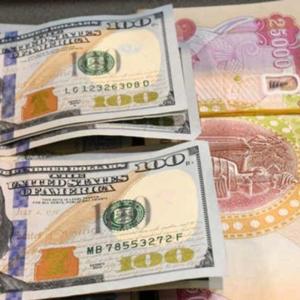

The Iraqi dinar continues to weaken in the parallel market,
link to My FX Buddies Blog
reaching 153,000 dinars per $100, while the Central Bank of Iraq says it is not responsible for the widening gap between the official and market exchange rates.
In this update we break down:
• Why the dollar is rising in the parallel market
• The impact of the ASYCUDA customs system
• Why traders are avoiding the official platform
• 22 Iraqi banks barred from dollar transactions
• The Oliver Wyman banking reform plan
• Is this policy failure… or market evasion?
Is the issue the dollar?
If you'd like to Support the channel: https://cash.app/$tishwash.... https://paypal.me/tishwash.... a FREE transcript at: https://rss.com/podcasts/myfxbuddies... Or is the real problem the dinar itself?
Let’s break it down.
💬 Drop your thoughts below — who is responsible?
“Dinar weakens…
The dollar climbs…
And now the Central Bank says — don’t blame us.
But if not them… then who?”
The exchange rate has reached 153,000 dinars per 100 dollars in the parallel market. That’s a widening gap between the official rate and what citizens actually pay.
The Central Bank says the problem isn’t policy.
They say it’s traders.
Specifically, traders using informal channels to avoid customs duties and taxes after the implementation of the ASYCUDA customs system.
But here’s the deeper issue.
When 22 banks are barred from dealing in U.S. dollars…
When traders avoid the official platform…
When demand moves to the parallel market…
Pressure builds.
And when pressure builds — the dinar weakens.
The Central Bank says reform is underway.
A banking overhaul with Oliver Wyman.
Compliance upgrades.
International standards.
But the question remains:
Is this a temporary adjustment…
Or a structural currency problem?
Because in the end —
Markets don’t move on statements.
They move on confidence.
 View all episodes
 By Tish Washington
The Iraqi dinar continues to weaken in the parallel market,
link to My FX Buddies Blog
reaching 153,000 dinars per $100, while the Central Bank of Iraq says it is not responsible for the widening gap between the official and market exchange rates.
In this update we break down:
• Why the dollar is rising in the parallel market
• The impact of the ASYCUDA customs system
• Why traders are avoiding the official platform
• 22 Iraqi banks barred from dollar transactions
• The Oliver Wyman banking reform plan
• Is this policy failure… or market evasion?
Is the issue the dollar?
If you'd like to Support the channel: https://cash.app/$tishwash.... https://paypal.me/tishwash.... a FREE transcript at: https://rss.com/podcasts/myfxbuddies... Or is the real problem the dinar itself?
Let’s break it down.
💬 Drop your thoughts below — who is responsible?
“Dinar weakens…
The dollar climbs…
And now the Central Bank says — don’t blame us.
But if not them… then who?”
The exchange rate has reached 153,000 dinars per 100 dollars in the parallel market. That’s a widening gap between the official rate and what citizens actually pay.
The Central Bank says the problem isn’t policy.
They say it’s traders.
Specifically, traders using informal channels to avoid customs duties and taxes after the implementation of the ASYCUDA customs system.
But here’s the deeper issue.
When 22 banks are barred from dealing in U.S. dollars…
When traders avoid the official platform…
When demand moves to the parallel market…
Pressure builds.
And when pressure builds — the dinar weakens.
The Central Bank says reform is underway.
A banking overhaul with Oliver Wyman.
Compliance upgrades.
International standards.
But the question remains:
Is this a temporary adjustment…
Or a structural currency problem?
Because in the end —
Markets don’t move on statements.
They move on confidence.