
Sign up to save your podcasts
Or

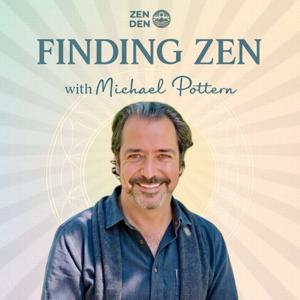

What if singing isn’t about performance, but about regulation, connection, and coming back to yourself?
In this episode, Orange Peel explores how voice, play, and novelty can shift our nervous systems and open access to joy in ways that feel both simple and profound. Through singing and shared experience, we begin to move out of rigid patterns and into something more alive, responsive, and connected.
The conversation moves through the science and felt experience of emotional memory, the role of novelty in breaking predictive loops, and how collective singing creates a sense of belonging that many people are quietly craving. It’s not about becoming a better singer—it’s about remembering how to feel.
If you’ve been stuck in routine, disconnected from joy, or curious about how creativity and the body intersect, this episode offers a grounded and refreshing way back.
7 Key Takeaways
Singing is a form of nervous system regulation. It engages the body in ways that promote safety, calm, and connection.
Play isn’t optional—it’s biological. It supports neuroplasticity and helps us break out of rigid, repetitive patterns.
Novelty interrupts prediction. When we introduce new experiences, we create space for change and new emotional pathways.
Emotionally charged experiences become lasting memories. The more we feel, the more deeply something stays with us.
Collective singing creates belonging. Shared voice synchronizes people, building trust and connection quickly.
Joy can be practiced, not just experienced. It’s something we can access through intentional engagement, not just circumstance.
Your voice is not about performance. It’s a tool for expression, regulation, and coming back into a relationship with yourself.
There’s something quietly radical about choosing play in a world that rewards control. This episode doesn’t ask you to become someone new—it invites you to remember what’s already available. Through voice, presence, and shared experience, joy stops being something distant and becomes something you can return to, again and again.
 View all episodes
 By Michael Pottern
What if singing isn’t about performance, but about regulation, connection, and coming back to yourself?
In this episode, Orange Peel explores how voice, play, and novelty can shift our nervous systems and open access to joy in ways that feel both simple and profound. Through singing and shared experience, we begin to move out of rigid patterns and into something more alive, responsive, and connected.
The conversation moves through the science and felt experience of emotional memory, the role of novelty in breaking predictive loops, and how collective singing creates a sense of belonging that many people are quietly craving. It’s not about becoming a better singer—it’s about remembering how to feel.
If you’ve been stuck in routine, disconnected from joy, or curious about how creativity and the body intersect, this episode offers a grounded and refreshing way back.
7 Key Takeaways
Singing is a form of nervous system regulation. It engages the body in ways that promote safety, calm, and connection.
Play isn’t optional—it’s biological. It supports neuroplasticity and helps us break out of rigid, repetitive patterns.
Novelty interrupts prediction. When we introduce new experiences, we create space for change and new emotional pathways.
Emotionally charged experiences become lasting memories. The more we feel, the more deeply something stays with us.
Collective singing creates belonging. Shared voice synchronizes people, building trust and connection quickly.
Joy can be practiced, not just experienced. It’s something we can access through intentional engagement, not just circumstance.
Your voice is not about performance. It’s a tool for expression, regulation, and coming back into a relationship with yourself.
There’s something quietly radical about choosing play in a world that rewards control. This episode doesn’t ask you to become someone new—it invites you to remember what’s already available. Through voice, presence, and shared experience, joy stops being something distant and becomes something you can return to, again and again.