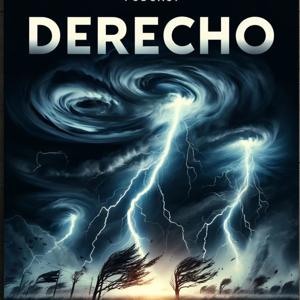
The term "derecho" might not be well-known outside meteorological circles, but it's a powerful phenomenon that recently caught the public's attention following a rare storm on July 24. Classified as a type of long-lasting wind storm associated with bands of rapidly moving showers or thunderstorms, derechos can cause significant damage over a wide area. To be classified as a derecho, the wind damage swath must extend more than 240 miles and include wind gusts of at least 58 miles per hour throughout its length.
Thousands of miles away, in Venezuela, "derecho" takes on a different context entirely, referring to the Spanish word for "rights." Here, the situation involves human rights concerns highlighted by Amnesty International. The organization has raised alarm over hundreds of arrests, urging the Venezuelan authorities to cease detaining individuals merely for exercising their rights. The call for action by Amnesty International emphasizes the need for accountability and respect for civil liberties by the Venezuelan government.
Meanwhile, in the world of sports, Seattle Mariners’ center fielder Julio Rodríguez is fighting a personal battle with an injury to his right ("derecho" in Spanish) ankle. Rodríguez, a crucial player for the team, injured himself in a collision with the outfield wall. Despite the setback, he is making positive strides in his recovery process, although his return to the field remains undefined.
These diverse uses of "derecho" – whether discussing meteorological events, human rights issues, or sports injuries – illustrate how language can bridge very different fields, providing a reminder of the interconnectedness of our global concerns.
This content was created in partnership and with the help of Artificial Intelligence AI



 View all episodes
