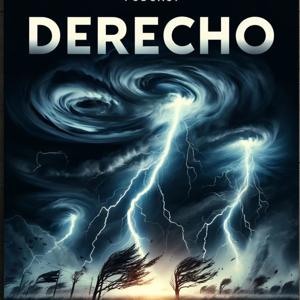
A derecho is a widespread and fast-moving windstorm associated with bands of rapidly moving showers or thunderstorms. Although derechos can cause hurricane-force winds, tornadoes, and heavy rains that result in flash flooding and hail, they are distinct for their straight-line wind patterns, unlike the more swirling winds of a tornado. This meteorological phenomenon generally moves in one direction along a relatively straight path, typically spanning hundreds of miles.
The science behind derechos involves understanding atmospheric conditions. For a derecho to form, a large pool of hot and humid air at the surface, coupled with cooler air aloft, is needed. This situation often develops along or just ahead of a strong frontal boundary. When the cooler air descends, it drives the warm surface air upwards, accelerating the condensation process and creating strong downdrafts surrounded by intense winds. When these winds hit the ground, they spread out in straight lines. Mid-level atmospheric winds contribute to maintaining the storm's forward motion.
Recent advances in meteorological technology have improved the prediction and tracking of such severe weather events, including the identification of potential tornado paths within derecho systems. This allows for better-preparedness and timely alerts to affected areas, potentially saving lives and mitigating damage.
The derecha that struck in 2020, notably impacted Cedar Rapids among other areas, demonstrates the power and lasting impact of these storms. Local communities such as sports teams and recreational facilities experienced severe damage, indicating how derechos can affect infrastructures and daily life. Even years after the event, signs of destruction and ongoing recovery efforts remain visible, underlining the challenges that come with restoring damaged neighborhoods and public facilities.
Understanding derechos and their impacts helps to highlight the necessity for ongoing research and technology development in weather prediction and disaster management. Being prepared and responsive to such natural disasters can greatly aid in community resilience and recovery.
This content was created in partnership and with the help of Artificial Intelligence AI



 View all episodes
