
Sign up to save your podcasts
Or

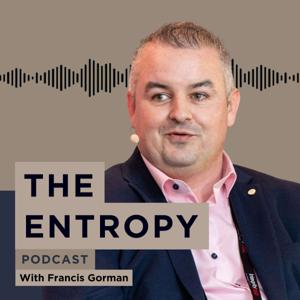

This episode re-frames post-quantum cryptography (PQC) from a technical future risk into a present-day governance failure. Brian Couzens argues that quantum computing did not create the cryptographic problem organizations face it exposed it.
For decades, cryptography has operated as an invisible layer of digital infrastructure: unmanaged, unowned, and largely unmapped. Boards assumed it “just worked.” Now, with the reality of Harvest Now, Decrypt Later and long-lived data exposure, that complacency has turned into structural risk.
The core message is clear: this is not an algorithm upgrade problem. It is a fiduciary accountability problem.
Cybersecurity is operational. Cryptography is structural. If the structural foundations are weak, no amount of detection, patching, or response will compensate. And when encrypted data is intercepted today and decrypted in the future, the accountability does not sit with IT it sits with the board.
Waiting for a definitive quantum timeline is not strategy. It is delay. And delay in this context may already constitute negligence.
Takeaways:
SoundBytes:
If you want to reach out to Brian you can find his detail over at https://sitg-consulting.com/
 View all episodes
 By Francis Gorman
This episode re-frames post-quantum cryptography (PQC) from a technical future risk into a present-day governance failure. Brian Couzens argues that quantum computing did not create the cryptographic problem organizations face it exposed it.
For decades, cryptography has operated as an invisible layer of digital infrastructure: unmanaged, unowned, and largely unmapped. Boards assumed it “just worked.” Now, with the reality of Harvest Now, Decrypt Later and long-lived data exposure, that complacency has turned into structural risk.
The core message is clear: this is not an algorithm upgrade problem. It is a fiduciary accountability problem.
Cybersecurity is operational. Cryptography is structural. If the structural foundations are weak, no amount of detection, patching, or response will compensate. And when encrypted data is intercepted today and decrypted in the future, the accountability does not sit with IT it sits with the board.
Waiting for a definitive quantum timeline is not strategy. It is delay. And delay in this context may already constitute negligence.
Takeaways:
SoundBytes:
If you want to reach out to Brian you can find his detail over at https://sitg-consulting.com/