
Sign up to save your podcasts
Or

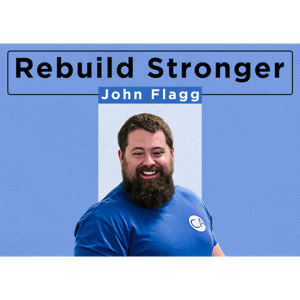


John and Wyatt get into the most overlooked driver of getting strong: your brain learning movement as a skill. Not biomechanics-in-isolation, not better cueing — the neurological prediction model your brain builds every rep. They break down why variations like heavy good mornings make you stronger and harder to fail, why intensity and years-of-training are non-negotiable prerequisites, when a "squat variation" stops counting as a squat, and why the movement you pick does more coaching than any cue ever will. Plus: a Hungarian Oak experiment gone wrong, the case for owning conventional/sumo/cone, and what runners and soccer coaches already figured out that powerlifters keep relearning the hard way.
What's covered (timestamps pulled from the transcript — approximate)
It’s “Quitters Day” (two weeks into the year), and we’re calling out the truth: a lot of gyms don’t make money when you train—they make money when you pay and disappear.
We break down the business math behind cheap memberships, the “amenities trap,” and why community + coaching beats motivation every time.
If a gym is selling you “judgment-free” isolation and making cancellation feel like an IRS audit… that’s not a gym. That’s a subscription with treadmills.
In this episode, John and Wyatt break down the newly announced IPF rule changes—and why the internet promptly lost its damn mind. What starts as a discussion about updated squat, bench, and deadlift rules quickly turns into a larger rant on etiquette, culture, bad coaching, and why powerlifting keeps tripping over dumb problems instead of fixing real ones.
They cover what the rules actually say, why some of them make sense, why others are painfully stupid, and how most of this mess is the result of unchecked growth, poor standards, and the sport eating itself alive over nonsense—like it’s 2012 and we’re still arguing whey vs. casein.
This week, John and Wyatt delve into the current challenges and changes in the powerlifting community, focusing on the splintering of federations, the prohibitive cost of competition, and the evolving demands of athletes. It highlights the need for more engaging events like Sheffield to revitalize the sport.
Takeaways
This quick-hit episode tackles one spicy claim: if you stay in the strength game long enough, you will end up running some version of conjugate training — whether you meant to or not.
John breaks down why lifters naturally migrate toward variation, speed work, top singles with back-offs, and modified movements as they age, chase longevity, or just get bored doing the same block periodization loops forever.
You’ll hear:
This one’s short, spicy, and guaranteed to make at least three people in your gym group chat go, “Okay but—” And they’d still be wrong.
In this episode of Rebuild Stronger, John and Wyatt dig into one of the most misunderstood parts of powerlifting: how often you should actually compete — and why most lifters are unintentionally holding themselves back.
From perfect-day fantasies to over-serious twenty-somethings white-knuckling their training, the guys break down how competing more often builds skill, resilience, confidence, and longevity in the sport. They talk local meets, learning to self-handle, avoiding “all or nothing” training mindsets, and how fun — yes, actual fun — is one of the biggest predictors of long-term strength.
You’ll hear stories about disastrous warmup room mishaps (including a 200-pound accidental jump), sketchy meets, great meet directors, bad ones, why most lifters should do 3–4 meets per year early on, and how training with a real crew can change everything.
Whether you're chasing a PR total or just trying not to bomb out, this episode is packed with real-world insight, a little chaos, and a reminder that you’re allowed to enjoy this sport.
What We Cover
Quotes That Hit
n this episode of Rebuild Stronger, John and Wyatt dive deep into the often-overlooked skill of self-handling at powerlifting meets. They argue that while having a handler can be valuable, every lifter should experience managing themselves at competitions to truly develop as an athlete.
Key Topics Discussed:
Why Self-Handling Matters
Common Pitfalls for First-Time Competitors
The Handler vs. Self-Handler Debate
Compete More, Peak Less
Memorable Stories
Quotable Moments:
"If you've never self-handled and you get somebody who's trash at handling, you're not going to know any better."
"You don't need to win a bunch of local competitions with the only person in the weight class. Nobody cares at the highest level."
"Stop taking yourself so fucking seriously. You need to chill."
The Bottom Line:
Compete more. Handle yourself. Stop being spoiled. Your future lifting career will thank you.
Subscribe to Rebuild Stronger for more no-nonsense powerlifting talk, training insights, and real conversations about strength sports.
Firefighter, strongman competitor, and Supp Dawg founder Chris Northern joins the show to talk about staying in the game for 10+ years, how strongman made his bench stronger, and why he formulates supplements with “everything that works and nothing that doesn’t.”
What you’ll learn
Chapters (timestamps)
Mentions & takeaways
Enjoy the episode—and if this helped, follow the show, drop a rating, and share it with a training partner who needs a spark.
In this episode, we dive into the often overlooked yet crucial aspect of strength training: the basics. John and Wyatt discuss how many lifters, both beginners and those with some experience, tend to overcomplicate their routines by chasing advanced techniques and creating unnecessary problems. They emphasize the importance of sticking to fundamental exercises and consistent hard work, rather than getting sidetracked by complex methodologies. Tune in to learn why mastering the basics is key to long-term success in strength training and how it can prevent you from stalling your progress.
In this episode, we dive into the heated debate surrounding the USAPL's drug testing policies. We explore the implications of testing at local meets versus national events, the cost challenges, and the evolving culture of drug testing in powerlifting. Join us as we discuss the integrity of the sport and the need for strategic testing.
From the publisher's feed
This is the no-fluff strength and coaching show for powerlifters and the coaches who train them.
Each week, we dive into what it actually takes to get strong, build better athletes,…
Hosted by people who live and breathe this stuff, The Rebuild Stronger Podcast is down-to-earth, sometimes blunt, and always a good time. Expect solo episodes, deep dives, and the occasional guest who actually lifts and coaches.
If you’re here to cut through the noise, get stronger, and have some fun along the way—welcome.