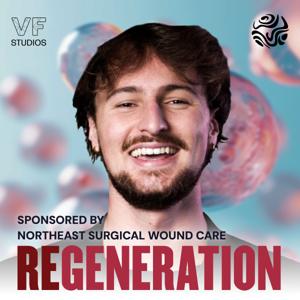
ReGeneration

ReGeneration

By Franco KraiselburdMedicineHealth & Fitness
Download on the App Store

ReGeneration episodes

  • Reimagining Inpatient Care with Dr. Akram Boutros
    Every major industry relies on an operating system to drive efficiency, yet hospital inpatient units have operated without one for decades. With nurses spending up to 70% of a shift buried in documentation, coordination, and interruptions, frontline care has reached a breaking point.
    In this episode of ReGeneration, host Franco Kraiselburd sits down with Dr. Akram Boutros, former CEO and President of MetroHealth and founder of Nexus Bedside, to explore what it takes to modernize inpatient care. After spending eight weeks in a hospital bed battling cancer, Dr. Boutros experienced these operational breakdowns firsthand as a patient and set out to build the first dedicated operating system for hospital units.
    In this episode, you'll learn:
    → Why hospital inpatient units have never had a true operating system
    → How eight weeks as a cancer patient gave Dr. Boutros an unfiltered view of hospital operations
    → Why nurses historically spend only 30% of their shifts delivering direct care
    → How Nexus Bedside cut documentation time from 40% to 10% while doubling time at the bedside
    → How clinical workflows are divided between bedside nurses, virtual nurses, and AI
    → How computer vision and room context help prevent falls and skin ulcers
    → Why continuous wearable monitoring can detect complications like transplant rejection up to 48 hours earlier
    → How OU Health achieved a 67% drop in nurse turnover and a 700% ROI
    → Why healing, medicine, and healthcare delivery must be treated as three distinct disciplines
    Whether you're a healthcare provider, hospital leader, entrepreneur, or innovator, this conversation offers an inside look at how operational design and smart technology can restore focus to patient care.
    ReGeneration explores the future of wound care, regenerative medicine, and healthcare innovation through conversations with the clinicians, researchers, entrepreneurs, and industry leaders advancing the science of healing.

    40 min
  • Beyond the Wound: Limb Salvage, Innovation & the Future of Care
    Losing a limb can change the course of a patient’s life.
    For people living with diabetes, neuropathy, vascular disease, and chronic wounds, something as small as a blister, cut, or pressure point can quickly become a serious medical issue. That’s where limb salvage comes in.
    In this episode of ReGeneration, host Franco Kraiselburd sits down with Megan Oltmann, Head of Podiatric Surgery and Wound Care at University Hospitals Limb Preservation Center, to explore the growing field of limb salvage and what it really takes to prevent amputation.
    Megan shares how diabetes, neuropathy, vascular disease, smoking, and other health factors can contribute to chronic wounds and how quickly those wounds can progress when patients lose sensation or blood flow to their extremities. She also explains why the consequences of amputation extend far beyond losing a foot or leg and why early intervention can make such a meaningful difference.
    Franco and Megan also discuss the human side of practicing medicine, from delivering difficult news and losing patients to the incredible moments when a patient who was once facing amputation is able to walk again.
    In this episode, you'll learn:
    → What limb salvage is and why the field is becoming increasingly important
    → How diabetes, neuropathy, and peripheral vascular disease can lead to chronic wounds and amputation
    → Why patients may not even realize they have a serious wound developing
    → The long-term health consequences associated with major amputations
    → What physicians experience emotionally when treating patients with hard-to-heal wounds
    → Why successfully saving a limb can dramatically change a patient’s quality of life
    → How continuous glucose monitors and other health technology may improve patient compliance
    → Where new wound care technologies, biomaterials, and regenerative products are taking the field
    → How changes in Medicare reimbursement and the skin substitute market could impact wound care
    → Why ethical collaboration between physicians and healthcare innovators is critical to developing better treatments
    Megan also shares a firsthand patient story involving a chronic wound that had stalled despite months of treatment, offering a look at how new approaches to wound care can help patients move forward with their lives.
    Whether you're a healthcare provider, entrepreneur, medical innovator, patient, or simply interested in the future of regenerative medicine, this conversation offers an inside look at the science, challenges, and human impact behind the effort to save limbs and improve patient outcomes.
    ReGeneration explores the future of wound care, regenerative medicine, and healthcare innovation through conversations with the clinicians, researchers, entrepreneurs, and industry leaders advancing the science of healing.
    43 min
  • Why Wounds Aren’t Healing: The Cost, Care & Future of Wound Treatment
    Chronic wounds are more common, more expensive, and more complicated than most people realize.
    In the first episode of ReGeneration, host Franco Kraiselburd sits down with Kristy Leininger, Chief of Clinical Operations and Innovation at Northeast Surgical Wound Care, to explore what wound care really looks like from the front lines.
    After spending years treating patients with hard-to-heal wounds, Kristy shares how the field has evolved, why chronic wounds require a completely different approach than acute injuries, and why getting patients to specialized care earlier can make such a major difference. Franco and Kristy also unpack the financial and accessibility challenges shaping patient care and what meaningful innovation in wound care needs to look like moving forward.
    In this episode, you'll learn:
    → The difference between acute and chronic wounds and why chronic wounds can be so difficult to heal
    → Why patients often wait months before seeking specialized wound care
    → How diabetes, vascular disease, obesity, nutrition, and other factors can impact the healing process
    → Why traditional wound care practices and over-the-counter treatments may actually slow healing
    → How insurance coverage and the cost of wound care supplies can influence treatment decisions
    → Why affordability and accessibility are critical to the future of wound care innovation
    → How Kristy has seen the wound care field evolve throughout her career
    → Where emerging technologies, advanced treatments, and AI could fit into the future of wound care
    → Why the best innovation means little if patients can't access or afford it
    Whether you're a healthcare provider, entrepreneur, innovator, or simply interested in the future of regenerative medicine, this conversation offers a firsthand look at the realities of chronic wound care and the opportunities to improve how patients heal.
    ReGeneration is brought to you by:
    Northeast Surgical Wound Care
    Providing specialized wound care focused on helping patients with hard-to-heal wounds achieve better outcomes through experienced, patient-centered care.
    Learn more: https://neswc.com/
    VividFront
    A Cleveland-based digital marketing and creative agency helping brands grow through strategy, branding, web, content, paid media, podcast production, and more.
    Learn more: https://www.vividfront.com/
    34 min

About ReGeneration

From the publisher's feed

ReGeneration is a podcast exploring the future of wound care, regenerative medicine, and healthcare innovation. Hosted by Franco Kraiselburd, each episode features conversations with clinicians,…