
Sign up to save your podcasts
Or

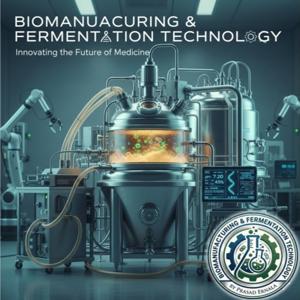

The primary focus of this episode is to explore an integrated, risk-based approach to industrial microbial fermentation that treats human behavior and facility maintenance as critical engineering variables. It argues that achieving consistent results at scale requires moving beyond laboratory models to address the socio-technical realities of manufacturing, such as operator error and equipment degradation. I would like to advocates for "poka-yoke" or error-proofing mechanisms, intent-based training, and rigorous data integrity to ensure sterility and reproducibility. By monitoring leading indicators of facility drift and human-system interactions, organizations can build resilient campaigns that withstand predictable operational challenges. Ultimately, the sources illustrate how embedding Quality by Design and regulatory discipline into early-stage processes safeguards long-term industrial viability.
 View all episodes
 By prasad ernala
The primary focus of this episode is to explore an integrated, risk-based approach to industrial microbial fermentation that treats human behavior and facility maintenance as critical engineering variables. It argues that achieving consistent results at scale requires moving beyond laboratory models to address the socio-technical realities of manufacturing, such as operator error and equipment degradation. I would like to advocates for "poka-yoke" or error-proofing mechanisms, intent-based training, and rigorous data integrity to ensure sterility and reproducibility. By monitoring leading indicators of facility drift and human-system interactions, organizations can build resilient campaigns that withstand predictable operational challenges. Ultimately, the sources illustrate how embedding Quality by Design and regulatory discipline into early-stage processes safeguards long-term industrial viability.