
Sign up to save your podcasts
Or

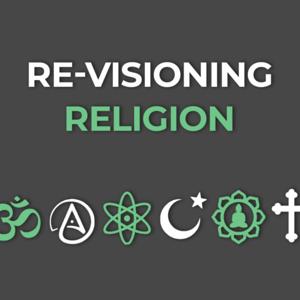

Researching themes like spirituality and religion leads to particular conundrums. One of them is the fact that any discussion about religion is always framed within a particular worldview and thus, inevitably, always also brings along its own religious presuppositions. In this respect, it seems fair to say that the American view of religion started dominating the public debates about religion. For example, a concept like “being spiritual but not religious” is often discussed as if it has universal validity, even though it is strongly connected to the historical dynamics behind Transcendentalism, Theosophy and New Thought. So can we truly apply such concepts when talking about other religious traditions? And should we not be more aware of the history behind them and the specific approach they entail?
 View all episodes
 By Jonas Atlas
Researching themes like spirituality and religion leads to particular conundrums. One of them is the fact that any discussion about religion is always framed within a particular worldview and thus, inevitably, always also brings along its own religious presuppositions. In this respect, it seems fair to say that the American view of religion started dominating the public debates about religion. For example, a concept like “being spiritual but not religious” is often discussed as if it has universal validity, even though it is strongly connected to the historical dynamics behind Transcendentalism, Theosophy and New Thought. So can we truly apply such concepts when talking about other religious traditions? And should we not be more aware of the history behind them and the specific approach they entail?

91,297 Listeners
5 Listeners