
Sign up to save your podcasts
Or

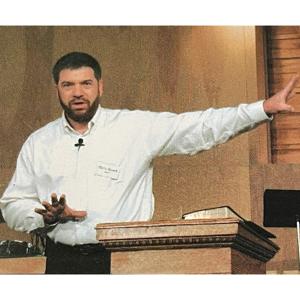

The central message of this sermon is that revelation demands a response, and the nature of that response determines one's reward or destiny. Specifically, it highlights the distinction between unintentional sin, which can be forgiven, and defiant sin, which cannot be forgiven because it involves a conscious rejection of God's truth. The sermon argues that being a Christian does not guarantee freedom from willful sin, but rather, it is a lifestyle of unrepentant sin that indicates one is not a true believer. The key takeaway is that the knowledge of God's truth requires a response, and if that response involves continuing in defiant sin, it implies a rejection of God's offer of salvation through Jesus Christ. This message advances the belief that true faith involves a commitment to follow God's standards and principles, and that willful disobedience has consequences for one's eternal destiny.
 View all episodes
 By cstpb
5
22 ratings
The central message of this sermon is that revelation demands a response, and the nature of that response determines one's reward or destiny. Specifically, it highlights the distinction between unintentional sin, which can be forgiven, and defiant sin, which cannot be forgiven because it involves a conscious rejection of God's truth. The sermon argues that being a Christian does not guarantee freedom from willful sin, but rather, it is a lifestyle of unrepentant sin that indicates one is not a true believer. The key takeaway is that the knowledge of God's truth requires a response, and if that response involves continuing in defiant sin, it implies a rejection of God's offer of salvation through Jesus Christ. This message advances the belief that true faith involves a commitment to follow God's standards and principles, and that willful disobedience has consequences for one's eternal destiny.