
Sign up to save your podcasts
Or

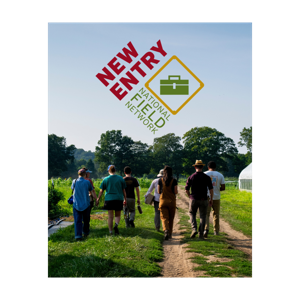

This episode highlights how a nonprofit-led co‑farm in Georgia is expanding land access for BIPOC and immigrant growers through shared infrastructure, coordinated stewardship, and long‑term land protection. It focuses on: (1) Global Growers Network’s partnership with the Conservation Fund’s Working Farms Fund, including a lease‑to‑purchase arrangement that enabled the nonprofit to acquire 22 acres now permanently protected under a conservation easement; (2) the co‑farm’s shared‑land model, where 13 farmers operate nine independent businesses using common infrastructure, equipment, and water systems at below‑market rates; (3) the role of GGN staff in stewarding the land, onboarding farmers, coordinating complex plot layouts, and providing technical assistance, while anchor farmers offer peer mentorship; (4) the governance structure built around a detailed farm manual, annual leases, monthly check‑ins, and conflict‑resolution pathways that emphasize community care, responsible land management, and collaborative problem‑solving; and (5) the challenges and lessons emerging from the model, including the distance from GGN’s core community, the need for stronger farmer participation in decision‑making, the importance of early intervention in compliance issues, and the financial vulnerability created by reliance on federal grants and philanthropic stopgaps.
 View all episodes
 By FIELD Network
This episode highlights how a nonprofit-led co‑farm in Georgia is expanding land access for BIPOC and immigrant growers through shared infrastructure, coordinated stewardship, and long‑term land protection. It focuses on: (1) Global Growers Network’s partnership with the Conservation Fund’s Working Farms Fund, including a lease‑to‑purchase arrangement that enabled the nonprofit to acquire 22 acres now permanently protected under a conservation easement; (2) the co‑farm’s shared‑land model, where 13 farmers operate nine independent businesses using common infrastructure, equipment, and water systems at below‑market rates; (3) the role of GGN staff in stewarding the land, onboarding farmers, coordinating complex plot layouts, and providing technical assistance, while anchor farmers offer peer mentorship; (4) the governance structure built around a detailed farm manual, annual leases, monthly check‑ins, and conflict‑resolution pathways that emphasize community care, responsible land management, and collaborative problem‑solving; and (5) the challenges and lessons emerging from the model, including the distance from GGN’s core community, the need for stronger farmer participation in decision‑making, the importance of early intervention in compliance issues, and the financial vulnerability created by reliance on federal grants and philanthropic stopgaps.