
Sign up to save your podcasts
Or

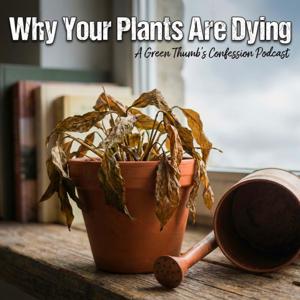

Root rot is a destructive condition caused by poor drainage, overwatering, and various soil-borne pathogens like fungi and water molds. When soil becomes waterlogged, roots are deprived of oxygen, leading to cellular decay and a loss of nutrient absorption. Initial warning signs include yellowing leaves, stunted growth, and a foul odor, while an inspection of the root ball reveals mushy, blackened tissue. Prevention is centered on using well-draining soil, pots with drainage holes, and careful watering habits. If the disease is identified early, plants may be salvaged by pruning away rot, disinfecting the remaining roots with hydrogen peroxide or fungicides, and repotting in fresh substrate. Experts also suggest managing fungus gnats, as these pests can actively transport rot-causing spores between plants.
 View all episodes
 By abdelhamid bou ikhessayen
Root rot is a destructive condition caused by poor drainage, overwatering, and various soil-borne pathogens like fungi and water molds. When soil becomes waterlogged, roots are deprived of oxygen, leading to cellular decay and a loss of nutrient absorption. Initial warning signs include yellowing leaves, stunted growth, and a foul odor, while an inspection of the root ball reveals mushy, blackened tissue. Prevention is centered on using well-draining soil, pots with drainage holes, and careful watering habits. If the disease is identified early, plants may be salvaged by pruning away rot, disinfecting the remaining roots with hydrogen peroxide or fungicides, and repotting in fresh substrate. Experts also suggest managing fungus gnats, as these pests can actively transport rot-causing spores between plants.