
Sign up to save your podcasts
Or


Send us Fan Mail
We break down the 2026 update to Rule 1.14 and why a dementia diagnosis does not automatically mean a client loses the right to sign legal documents. We share real stories from nursing homes and hospitals, then translate the rule comments into practical steps that help clients keep as much autonomy as possible while we still manage risk and undue influence.
• why presuming incapacity because of dementia violates ethical duties
• how the renamed “decision-making limitations” standard narrows when Rule 1.14 applies
• when protective action is allowed and why it is a last resort
• how capacity can be situational and improve with timing, supports, and accommodations
• why we do not rely exclusively on a doctor’s diagnosis or letter
• practical conference room tactics for using family support without letting family take over
• how to think about document risk and substantive fairness
• least restrictive alternatives first such as durable powers of attorney
If you just want to ask me questions, please email me, Todd at theelderlawcoach.com.
I would love to be your coach, Todd at theelderlawcoach.com, or Trisha D-R-I-S-H-A at the Elderlawcoach.com.
For more resources, training, and coaching, visit the ElderLawcoach.com.
Check out our new website www.TheElderLawCoach.com.
 View all episodes
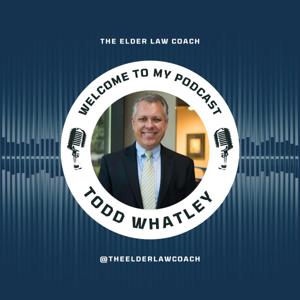
 By Todd Whatley
5
99 ratings
Send us Fan Mail
We break down the 2026 update to Rule 1.14 and why a dementia diagnosis does not automatically mean a client loses the right to sign legal documents. We share real stories from nursing homes and hospitals, then translate the rule comments into practical steps that help clients keep as much autonomy as possible while we still manage risk and undue influence.
• why presuming incapacity because of dementia violates ethical duties
• how the renamed “decision-making limitations” standard narrows when Rule 1.14 applies
• when protective action is allowed and why it is a last resort
• how capacity can be situational and improve with timing, supports, and accommodations
• why we do not rely exclusively on a doctor’s diagnosis or letter
• practical conference room tactics for using family support without letting family take over
• how to think about document risk and substantive fairness
• least restrictive alternatives first such as durable powers of attorney
If you just want to ask me questions, please email me, Todd at theelderlawcoach.com.
I would love to be your coach, Todd at theelderlawcoach.com, or Trisha D-R-I-S-H-A at the Elderlawcoach.com.
For more resources, training, and coaching, visit the ElderLawcoach.com.
Check out our new website www.TheElderLawCoach.com.
116 Listeners
71 Listeners