
Sign up to save your podcasts
Or

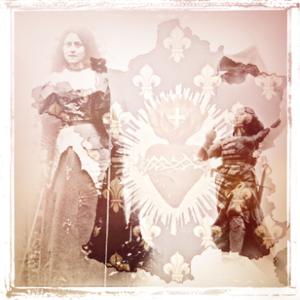

The phenomenological unity of Joan’s character gives us an intuitive sense of truth.
We are in the last stages of Joan’s trial at Poitiers where the Dauphin, Charles VII, hopes to gain assurance about her from his trusted theologians. The closing of the trial and Joan’s triumphant return to Chinon with the blessing of the judges proves remarkable almost beyond compare. In this episode I discuss how it is that Joan of Arc changes the hearts and minds of all the key people involved in her mission. It is a revelation of Hope given through an intuitive sense of truth based on the unity of Joan’s character. The theologians ask for “signs” that they might be convinced. Joan gives no such signs. What she does give them is a phenomenological sense of truth and a revelation of Hope. Joan gives them the phenomenology of her own being which proves to be more persuasive than any material “sign.” A breathtaking contemplation for us!
 View all episodes
 By Walter Emerson
The phenomenological unity of Joan’s character gives us an intuitive sense of truth.
We are in the last stages of Joan’s trial at Poitiers where the Dauphin, Charles VII, hopes to gain assurance about her from his trusted theologians. The closing of the trial and Joan’s triumphant return to Chinon with the blessing of the judges proves remarkable almost beyond compare. In this episode I discuss how it is that Joan of Arc changes the hearts and minds of all the key people involved in her mission. It is a revelation of Hope given through an intuitive sense of truth based on the unity of Joan’s character. The theologians ask for “signs” that they might be convinced. Joan gives no such signs. What she does give them is a phenomenological sense of truth and a revelation of Hope. Joan gives them the phenomenology of her own being which proves to be more persuasive than any material “sign.” A breathtaking contemplation for us!