
Sign up to save your podcasts
Or

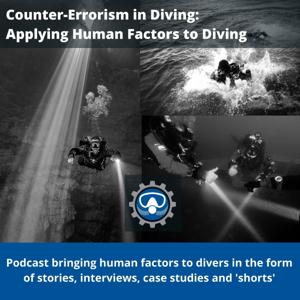

This episode explores why asking “why did this happen?” after a diving accident is important — but not enough on its own. It explains that investigations often stop too early, not because everything is understood, but because people reach a point that feels comfortable, simple, or easy to fix. Many reports focus on equipment failures or individual mistakes, while deeper causes like pressure, workload, training culture, time limits, and business realities are left out. The episode shows that real learning comes from looking at how normal routines, shortcuts, and everyday decisions shape what people do, not just what went wrong at the end. The main message is clear: the goal of asking “why” isn’t to find someone to blame, but to understand the system well enough to change future behaviour — so the next dive is safer, even under pressure and imperfect conditions.
Original blog: https://www.thehumandiver.com/post/when-do-we-stop-asking-why
Links: Learning from Emergent Outcomes and LEODSI: https://www.thehumandiver.com/lfeo
Some relevant blogs: https://www.thehumandiver.com/post/what-story-gets-told-what-words-are-used
https://www.thehumandiver.com/post/when-the-story-hurts-too-much
https://www.thehumandiver.com/post/what-is-the-purpose-of-an-investigation
References:
Kletz, T. A. (2006). Accident investigation: Keep asking “why?”. Journal of hazardous materials, 130(1-2), 69-75.
Reason, J. (2016). Managing the risks of organizational accidents. Routledge.
Reason, J. (1991). Too little and too late: A commentary on accident and incident reporting systems. In Near miss reporting as a safety tool (pp. 9-26). Butterworth-Heinemann.
Rasmussen, J. (1990). Human error and the problem of causality in analysis of accidents. Philosophical Transactions of the Royal Society of London. B, Biological Sciences, 327(1241), 449-462.
Rasmussen, J. (1988). Coping safely with complex systems. In AAAS Annual Meeting 1988.
Cedergren, A., & Petersen, K. (2011). Prerequisites for learning from accident investigations–a cross-country comparison of national accident investigation boards. Safety Science, 49(8-9), 1238-1245.
Lessons from Longford: the Esso Gas Plant Explosion. Andrew Hopkins. CCH Australia, Sydney. 2000
Lundberg, J., Rollenhagen, C., & Hollnagel, E. (2010). What you find is not always what you fix—How other aspects than causes of accidents decide recommendations for remedial actions. Accident Analysis & Prevention, 42(6), 2132-2139.
Manuele, F. A. (2016). Root-Causal Factors: Uncovering the Hows & Whys of Incidents. Professional Safety, 61(05), 48-55.
Tags: English| Learning, Incidents & Just Culture
 View all episodes
 By Gareth Lock at The Human Diver
5
1111 ratings
This episode explores why asking “why did this happen?” after a diving accident is important — but not enough on its own. It explains that investigations often stop too early, not because everything is understood, but because people reach a point that feels comfortable, simple, or easy to fix. Many reports focus on equipment failures or individual mistakes, while deeper causes like pressure, workload, training culture, time limits, and business realities are left out. The episode shows that real learning comes from looking at how normal routines, shortcuts, and everyday decisions shape what people do, not just what went wrong at the end. The main message is clear: the goal of asking “why” isn’t to find someone to blame, but to understand the system well enough to change future behaviour — so the next dive is safer, even under pressure and imperfect conditions.
Original blog: https://www.thehumandiver.com/post/when-do-we-stop-asking-why
Links: Learning from Emergent Outcomes and LEODSI: https://www.thehumandiver.com/lfeo
Some relevant blogs: https://www.thehumandiver.com/post/what-story-gets-told-what-words-are-used
https://www.thehumandiver.com/post/when-the-story-hurts-too-much
https://www.thehumandiver.com/post/what-is-the-purpose-of-an-investigation
References:
Kletz, T. A. (2006). Accident investigation: Keep asking “why?”. Journal of hazardous materials, 130(1-2), 69-75.
Reason, J. (2016). Managing the risks of organizational accidents. Routledge.
Reason, J. (1991). Too little and too late: A commentary on accident and incident reporting systems. In Near miss reporting as a safety tool (pp. 9-26). Butterworth-Heinemann.
Rasmussen, J. (1990). Human error and the problem of causality in analysis of accidents. Philosophical Transactions of the Royal Society of London. B, Biological Sciences, 327(1241), 449-462.
Rasmussen, J. (1988). Coping safely with complex systems. In AAAS Annual Meeting 1988.
Cedergren, A., & Petersen, K. (2011). Prerequisites for learning from accident investigations–a cross-country comparison of national accident investigation boards. Safety Science, 49(8-9), 1238-1245.
Lessons from Longford: the Esso Gas Plant Explosion. Andrew Hopkins. CCH Australia, Sydney. 2000
Lundberg, J., Rollenhagen, C., & Hollnagel, E. (2010). What you find is not always what you fix—How other aspects than causes of accidents decide recommendations for remedial actions. Accident Analysis & Prevention, 42(6), 2132-2139.
Manuele, F. A. (2016). Root-Causal Factors: Uncovering the Hows & Whys of Incidents. Professional Safety, 61(05), 48-55.
Tags: English| Learning, Incidents & Just Culture
545 Listeners
258 Listeners

69 Listeners

10 Listeners
40 Listeners

51 Listeners