
Sign up to save your podcasts
Or

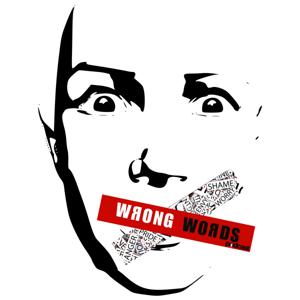

🎧 PART 1 — SHAME | The Wrong Words Podcast
Shame is not just embarrassment; it is the pressure that makes people hide, shrink, and absorb labels that were never meant to define them. In this episode, Oliver and Luvon unpack how shame gets internalized, how it can be projected onto us by others, and why it so often fuels avoidance, fear, and ego rather than growth. They also wrestle with whether shame should stay in our vocabulary at all.
🧠 In this episode, we explore:
Why shame often shows up as avoidance, hiding, and not wanting to be seen
How shame becomes internal when labels from others get absorbed
Why shame and ego are often fighting for the same space
📚 We unpack:
Dictionary definitions that frame shame as a painful emotion, guilt, and impropriety
How “dishonor” can become a label instead of a lesson
Why confidence, love, and support feel like the true opposite of shame
💥 Key moments include:
The idea that shame is the invitation to the ego
The question of who gets to define what is dishonorable or ridiculous
The reminder that many shame triggers start with someone else’s words
🛠️ You’ll walk away with:
A better way to spot when shame is turning into avoidance
Language to separate self-awareness from self-condemnation
A reason to choose growth over hiding
🎧 This episode is brought to you by Community Solutions. Visit https://thecommunitysolutions.com today.
📚 You can also purchase the books mentioned in this episode:
Luvon’s Gratitude Is The First Language at https://www.amazon.com/dp/B0GQCQSMM8
Oliver’s Overcoming the Man Laws at https://www.amazon.com/dp/B08FP7SLP7
📊 POLL QUESTION:
When shame shows up, you usually:
A) Hide
B) Defend
C) Blame
D) Grow
#WrongWordsPodcast #Shame #LanguageMatters
 View all episodes
 By Oliver & Luvon
🎧 PART 1 — SHAME | The Wrong Words Podcast
Shame is not just embarrassment; it is the pressure that makes people hide, shrink, and absorb labels that were never meant to define them. In this episode, Oliver and Luvon unpack how shame gets internalized, how it can be projected onto us by others, and why it so often fuels avoidance, fear, and ego rather than growth. They also wrestle with whether shame should stay in our vocabulary at all.
🧠 In this episode, we explore:
Why shame often shows up as avoidance, hiding, and not wanting to be seen
How shame becomes internal when labels from others get absorbed
Why shame and ego are often fighting for the same space
📚 We unpack:
Dictionary definitions that frame shame as a painful emotion, guilt, and impropriety
How “dishonor” can become a label instead of a lesson
Why confidence, love, and support feel like the true opposite of shame
💥 Key moments include:
The idea that shame is the invitation to the ego
The question of who gets to define what is dishonorable or ridiculous
The reminder that many shame triggers start with someone else’s words
🛠️ You’ll walk away with:
A better way to spot when shame is turning into avoidance
Language to separate self-awareness from self-condemnation
A reason to choose growth over hiding
🎧 This episode is brought to you by Community Solutions. Visit https://thecommunitysolutions.com today.
📚 You can also purchase the books mentioned in this episode:
Luvon’s Gratitude Is The First Language at https://www.amazon.com/dp/B0GQCQSMM8
Oliver’s Overcoming the Man Laws at https://www.amazon.com/dp/B08FP7SLP7
📊 POLL QUESTION:
When shame shows up, you usually:
A) Hide
B) Defend
C) Blame
D) Grow
#WrongWordsPodcast #Shame #LanguageMatters