
Sign up to save your podcasts
Or

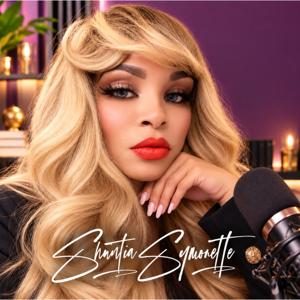


EPISODE 4:
EPISODE 4: PSALM 1 — CHOOSING THE PATH OF RIGHTEOUSNESS
In Episode 4, we explore the powerful message of Psalm 1 and the clear difference between the path of righteousness and the path of wickedness. This chapter teaches us that the people we follow, the advice we accept, the environments we enter, and the thoughts we repeatedly entertain can influence the direction of our lives.
“Blessed is the man that walketh not in the counsel of the ungodly, nor standeth in the way of sinners, nor sitteth in the seat of the scornful.” — Psalm 1:1 (KJV)
Psalm 1 reminds us that a blessed life begins by rejecting ungodly counsel and choosing to delight in the law of the LORD. When we meditate upon God’s Word day and night, His truth begins to shape our thinking, strengthen our faith, guide our decisions, and transform the way we live.
The righteous person is compared to a tree planted beside rivers of water—a tree that is firmly rooted, spiritually nourished, fruitful in its season, and able to endure changing conditions. This powerful image teaches us that when our lives are rooted in God, we can remain strong even during hardship, disappointment, temptation, and uncertainty.
“And he shall be like a tree planted by the rivers of water, that bringeth forth his fruit in his season.” — Psalm 1:3 (KJV)
The ungodly, however, are compared to chaff driven away by the wind. Without a firm spiritual foundation, their direction becomes unstable and their choices cannot withstand judgment. Psalm 1 teaches us that every path has a destination, and the decisions we make today help determine where that path will lead.
Join us as we examine what it means to separate ourselves from destructive influences, meditate on God’s Word, develop spiritual discipline, produce righteous fruit, and remain firmly planted in truth.
“The LORD knoweth the way of the righteous: but the way of the ungodly shall perish.” — Psalm 1:6 (KJV)
If this episode encourages, strengthens, or inspires you, please LIKE, SHARE, COMMENT, and SUBSCRIBE! Turn on your notifications so you never miss an episode, and share this message with someone who is ready to choose the path of wisdom, righteousness, purpose, and spiritual growth.
EPISODE 3: PSALM 119 — GOD’S WORD IS OUR LIGHT
In Episode 3, we explore the powerful message of Psalm 119 and discover what it truly means to build our lives upon the Word of God. Psalm 119 teaches us that God’s Word is more than something we simply read—it is our spiritual foundation, our source of wisdom, and the light that guides us through every season of life.
“Thy word is a lamp unto my feet, and a light unto my path.” — Psalm 119:105 (KJV)
Through moments of confusion, temptation, suffering, and uncertainty, God’s Word provides direction, strength, comfort, correction, and hope. When the world attempts to lead us away from righteousness, Scripture reminds us of who God is, what He has commanded, and how He desires us to live.
“Thy word have I hid in mine heart, that I might not sin against thee.” — Psalm 119:11 (KJV)
In this episode, we examine the importance of seeking God wholeheartedly, obeying His commandments, meditating on His Word, and allowing His truth to transform our thoughts, choices, and daily lives. We also discuss how keeping God’s Word within our hearts can protect us from deception, strengthen us during trials, and help us remain faithful when our path becomes difficult.
Psalm 119 reminds us that genuine faith is not demonstrated through words alone. It is revealed through obedience, perseverance, spiritual discipline, and a sincere desire to walk according to God’s will.
Join us as we return to the Scriptures and discover how God’s Word can renew our minds, strengthen our spirits, guide our steps, and lead us toward a life of truth, purpose, wisdom, and righteousness.
If this episode encourages or inspires you, please LIKE, SHARE, COMMENT, and SUBSCRIBE! Turn on your notifications so you never miss an episode, and share this message with someone who needs the guidance, strength, and hope found within the Word of God.
The Greatest Commandment
In this episode, we take a deeper look at what Jesus called the greatest commandment and what it truly means to love God with all of our heart, soul, mind, and strength.
Through the teachings of Jesus in Matthew 22, Mark 12, and Luke 10, we explore the importance of putting God first and understanding that loving God is at the very heart of our relationship with Him. We also look at the connection between loving God and loving our neighbor as ourselves.
The foundation of this commandment goes back to Deuteronomy 6, where God commanded Israel to hear, recognize, and love the Lord with all their heart, soul, and might. These words were not meant to be something simply heard, but something placed within the heart, lived out daily, and taught to the next generation.
This episode takes us back to the Word of God to examine what it means to love God completely, not just with our words, but with every part of our lives.
Join us as we explore The Greatest Commandment and the call to make loving God the foundation of our walk with Him.
EPISODE 1:
WHAT IS GOD’S REAL NAME?
In this powerful first episode, we return to the foundation of faith through the Lord’s Prayer and explore the sacred name of God revealed in the Hebrew Bible. Who is our Heavenly Father, what does His name mean, and why was it replaced with the title “LORD” in many English translations?
Introduction: ( Prayer )
THE LORD’S PRAYER — MATTHEW 6:9–13 (KJV)
“Our Father which art in heaven, Hallowed be thy name.
Thy kingdom come, Thy will be done in earth, as it is in heaven.
Give us this day our daily bread.
And forgive us our debts, as we forgive our debtors.
And lead us not into temptation, but deliver us from evil:
For thine is the kingdom, and the power, and the glory, for ever. Amen.”
WHAT IS GOD’S PERSONAL NAME?
God’s personal name is written in the ancient Hebrew Scriptures as YHWH—four sacred Hebrew consonants known as the Tetragrammaton. Many biblical scholars commonly pronounce this name as Yahweh.
Because ancient written Hebrew primarily recorded consonants, the name appeared as four letters: YHWH.
WHY WAS THE NAME NOT SPOKEN ALOUD?
Out of deep reverence for God’s holy name—and fear of misusing it—Jewish tradition avoided pronouncing YHWH aloud. When reading Scripture, people commonly substituted Adonai, meaning “Lord” or “Master.”
WHAT DOES “LORD” MEAN IN HEBREW?
LORD — Written in all capital letters, “LORD” usually represents YHWH, the sacred personal name of God.
Lord — Written with a capital “L” and lowercase letters, “Lord” commonly represents Adonai (אֲדֹנָי), meaning “my Lord” or “Master.” It is a title of honor and authority used for God.
lord — Written in lowercase letters, “lord” may represent adon (אֲדֹן), referring to a human master, owner, ruler, or king.
This episode is an invitation to seek deeper understanding, honor the holiness of God’s name, and recognize His eternal authority. His is the Kingdom, the power, and the glory forever. Amen.
If this message blessed you, please LIKE, SHARE, COMMENT, and SUBSCRIBE! Turn on your notifications so you never miss an episode, and share this teaching with someone who desires a deeper understanding of God and His Word.
From the publisher's feed
Woman of Faith and Purpose is a faith-based podcast and womanship coalition
community helping women transform their lives from destruction to success and
move from darkness into God’s…
guides women toward righteousness, spiritual growth, independence, business success,
and generational wealth.
Through biblical teaching, honest conversations, business networking, and community
support, we help women seek God, build together, and pursue their goals, dreams, education,
businesses, and personal growth. Our mission is to invest in women goals, dreams, businesses,
education and support their personal lives to become or remain independent and strong, we also
provide knowledge, and resources on their journey to gain prosperity. We transform Lives spiritually.
and strengthen faith, and empower them to create successful, purpose-driven futures while building as one with God.