This is your Silicon Siege: China's Tech Offensive podcast.
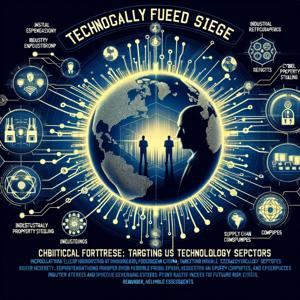
Let's dive right into the world of Silicon Siege, where China's tech offensive is making waves. In the past two weeks, we've seen some incredible developments in industrial espionage and intellectual property threats.
You might have heard about the recent allegations against Oppo, a Chinese smartphone maker, which is being sued by Apple for allegedly stealing trade secrets related to Apple Watch technology. This case highlights the ongoing challenge of protecting sensitive tech information in the face of aggressive industrial espionage tactics. Apple claims that a former employee, Chen Shi, shared confidential sensor technology with Oppo, which denies any wrongdoing.
On the cybersecurity front, China's Cyberspace Administration of China (CAC) has just announced new measures to enhance cybersecurity incident reporting. These measures, effective from November 1, specifically target network operators and critical information infrastructure operators within China. This move indicates a more rigorous approach to cybersecurity, but it also raises questions about data security and privacy in the region.
In terms of supply chain compromises, the U.S. government has been grappling with the issue of Chinese companies bypassing export bans by renting advanced AI chips through U.S. cloud services. This loophole has allowed companies like Hikvision and Dahua to continue using American technology for surveillance purposes, despite U.S. sanctions.
According to industry experts, these actions are part of a broader strategy to strengthen China's tech dominance. The U.S. FCC has recently empowered itself to retroactively ban devices deemed national security risks, targeting companies like DJI. This move reflects growing tensions between the U.S. and China over tech security.
Looking ahead, the strategic implications are significant. China's aggressive cyber operations and espionage tactics pose substantial risks to U.S. tech companies, and the U.S. government is under pressure to respond effectively. As Aliia Roza, a former Russian agent, noted, foreign governments are using sophisticated methods to manipulate tech executives and gain access to sensitive information.
Thanks for tuning in, folks Remember to subscribe for more insights into the world of tech and cybersecurity. This has been a quiet please production, for more check out quietplease.ai.
For more http://www.quietplease.ai
Get the best deals https://amzn.to/3ODvOta
This content was created in partnership and with the help of Artificial Intelligence AI



 View all episodes
