
Sign up to save your podcasts
Or


Just as we had the high walls of sanitation, we now have vigilant guards of diagnostic testing, and most importantly, we possess heavy artillery—the antibiotics, the big guns. So if a breach occurs, say a bacterial infection slips past those outer defences, we simply assume we can call in the heavy artillery. The threat is neutralised, the patient recovers, and we all return to our lives feeling completely safe. It is a deeply reassuring illusion, and we have lived with this idea for nearly a century.
The underlying assumption is that we possess an endless, infinite stockpile of these magic bullets. I mean, the entire structure of modern life, from minor surgeries to global travel, relies entirely on the premise that if we get sick, we can fix it. But then, you know, you sit down and start looking through this massive stack of sources for today's deep dive, and suddenly, that fortress looks like it is made of paper - the Methodical dismantling of our primary defence mechanism against the microscopic world.
Today, our mission is to unpack an incredibly multifaceted stack of documents concerning what might actually be, well, the single greatest threat to human survival in the 21st century, which is the escalating global crisis of antimicrobial resistance, or AMR. R
Looking at the math presented in these documents, the forecast is just staggering. It is grim. We're Trajectory where drug-resistant superbugs could kill up to 39 million people between now and 2050. And, you know, 39,000,000 is a number so large it almost defies human comprehension. It just becomes an abstraction at that point.
But we really have to ground that number in reality. Every single digit in that statistic represents a person who, well, they went to a clinic or a hospital expecting a routine cure, like for a urinary tract infection or scraped knee, a thorn prick or a paper cut or a post-surgical complication, and they didn't get a cure because the medicine simply failed.
What makes today's material so fascinating to me, though, is the sheer contrast in the sources we are looking at. Oh, the juxtaposition is wild. On one side of the desk, we have these incredibly dry, highly technical reports from the World Health Organisation, the Quadripartite and international funding bodies. Right. All these massive bureaucratic frameworks trying to track the data from and then sitting right next to those reports.
We have the deeply personal, intensely philosophical manifestos of a veteran physician named Doctor Kadiyali Srivatsa, which is such a shift in tone. It is we who are looking at dry global policy data sitting right alongside ancient Sanskrit concepts of cosmic law, karma, and these really bold claims about civilizational responsibility.
It is truly one of the most remarkable symphyses of information we have ever covered. So true, and to help you, the listener. Navigate this journey today. We're going to follow a very deliberate road map.
First, we need to understand the systemic structural failures that are biologically driving the superbug crisis. Because you know, it isn't just bad luck, it is a systemic error in how we actually practise medicine.
Second, we will examine the massive multi-billion-dollar international frameworks desperately trying to track this invisible enemy. They are essentially attempting to build a global radar system.
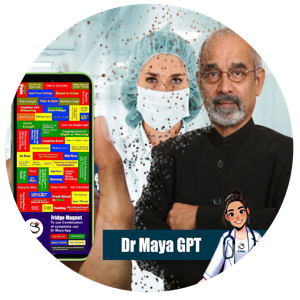
Third, and this is where the material takes a truly radical turn, we will focus on a highly specific solar-powered AI technology from India. This part blew my mind because it is fascinating. It is a system designed to completely overturn the economic hoarding in the healthcare industry and place the power of medical triage directly into the hands of local communities.
 View all episodes
 By Health, Happiness and the Forgotten Wisdom of Self-Understanding
Just as we had the high walls of sanitation, we now have vigilant guards of diagnostic testing, and most importantly, we possess heavy artillery—the antibiotics, the big guns. So if a breach occurs, say a bacterial infection slips past those outer defences, we simply assume we can call in the heavy artillery. The threat is neutralised, the patient recovers, and we all return to our lives feeling completely safe. It is a deeply reassuring illusion, and we have lived with this idea for nearly a century.
The underlying assumption is that we possess an endless, infinite stockpile of these magic bullets. I mean, the entire structure of modern life, from minor surgeries to global travel, relies entirely on the premise that if we get sick, we can fix it. But then, you know, you sit down and start looking through this massive stack of sources for today's deep dive, and suddenly, that fortress looks like it is made of paper - the Methodical dismantling of our primary defence mechanism against the microscopic world.
Today, our mission is to unpack an incredibly multifaceted stack of documents concerning what might actually be, well, the single greatest threat to human survival in the 21st century, which is the escalating global crisis of antimicrobial resistance, or AMR. R
Looking at the math presented in these documents, the forecast is just staggering. It is grim. We're Trajectory where drug-resistant superbugs could kill up to 39 million people between now and 2050. And, you know, 39,000,000 is a number so large it almost defies human comprehension. It just becomes an abstraction at that point.
But we really have to ground that number in reality. Every single digit in that statistic represents a person who, well, they went to a clinic or a hospital expecting a routine cure, like for a urinary tract infection or scraped knee, a thorn prick or a paper cut or a post-surgical complication, and they didn't get a cure because the medicine simply failed.
What makes today's material so fascinating to me, though, is the sheer contrast in the sources we are looking at. Oh, the juxtaposition is wild. On one side of the desk, we have these incredibly dry, highly technical reports from the World Health Organisation, the Quadripartite and international funding bodies. Right. All these massive bureaucratic frameworks trying to track the data from and then sitting right next to those reports.
We have the deeply personal, intensely philosophical manifestos of a veteran physician named Doctor Kadiyali Srivatsa, which is such a shift in tone. It is we who are looking at dry global policy data sitting right alongside ancient Sanskrit concepts of cosmic law, karma, and these really bold claims about civilizational responsibility.
It is truly one of the most remarkable symphyses of information we have ever covered. So true, and to help you, the listener. Navigate this journey today. We're going to follow a very deliberate road map.
First, we need to understand the systemic structural failures that are biologically driving the superbug crisis. Because you know, it isn't just bad luck, it is a systemic error in how we actually practise medicine.
Second, we will examine the massive multi-billion-dollar international frameworks desperately trying to track this invisible enemy. They are essentially attempting to build a global radar system.
Third, and this is where the material takes a truly radical turn, we will focus on a highly specific solar-powered AI technology from India. This part blew my mind because it is fascinating. It is a system designed to completely overturn the economic hoarding in the healthcare industry and place the power of medical triage directly into the hands of local communities.