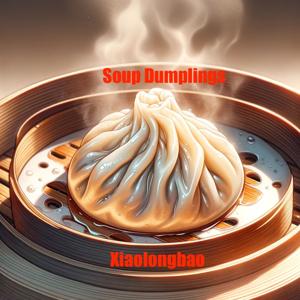
Soup dumplings, also known as xiao long bao or xiaolong mantou, have captured the hearts and taste buds of food enthusiasts around the world. These delicate, steamed dumplings, filled with savory broth and tender meat, have a rich history that traces back to ancient China. In this article, we will explore the origins of soup dumplings, their variations, and their global popularity.
The Birth of Soup Dumplings: The exact origin of soup dumplings is somewhat debated, but most food historians agree that they likely originated in the Jiangnan region of China, which includes the modern-day provinces of Jiangsu and Zhejiang. The earliest known record of soup dumplings dates back to the Qing Dynasty (1644-1912) in the city of Nanxiang, located in the suburbs of Shanghai.
According to legend, a man named Huang Mingxian, the owner of a restaurant called Ri Hua Xuan, created the first soup dumplings in the 19th century. Huang noticed that his regular dumplings were too dry and not selling well. In an effort to improve his product, he decided to add a flavorful broth inside the dumplings. To prevent the broth from leaking out during the cooking process, Huang used a gelatin-rich aspic made from pork skin, which would melt into a liquid when steamed. The result was a dumpling filled with a piping hot, savory soup that burst in the mouth upon biting. These innovative dumplings quickly gained popularity among locals and eventually spread throughout the region.
Traditional Preparation and Ingredients: The traditional soup dumpling is a delicate and labor-intensive creation. The process begins with making a thin, elastic dough using wheat flour and hot water. The dough is then rolled out and cut into small, circular wrappers. The filling, typically made from ground pork, ginger, scallions, and various seasonings, is carefully mixed with the solidified aspic. A small portion of the filling is placed in the center of each wrapper, which is then pleated and pinched closed at the top, forming a small pouch.
The dumplings are then placed in bamboo steamer baskets and cooked over boiling water until the dough becomes translucent and the filling is cooked through. During the steaming process, the aspic melts, creating a flavorful soup inside the dumpling. The key to a successful soup dumpling is the balance between the thickness of the dough, the amount of filling, and the ratio of meat to aspic. The dough must be thin enough to be delicate but strong enough to hold the soup without breaking.
Regional Variations in China: As soup dumplings gained popularity throughout China, regional variations began to emerge, each with its own unique characteristics and flavors.
1. Shanghai-style: Perhaps the most well-known variety, Shanghai-style soup dumplings are known for their thin, translucent skin and the use of Jinhua ham in the filling, which adds a rich, smoky flavor.
2. Nanjing-style: Nanjing-style soup dumplings, also known as "Tangbao," are larger than their Shan
This content was created in partnership and with the help of Artificial Intelligence AI.



 View all episodes
