
Sign up to save your podcasts
Or

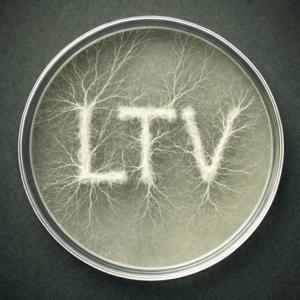

Uncover the shocking secrets of the Wood Wide Web! We dive deep into how trees communicate, trade vital nutrients, and even engage in brutal chemical warfare right beneath our feet through intricate mycorrhizal networks.
While it's easy to imagine forests as a cooperative utopia where fungi help plants trade carbon for nitrogen and phosphorus, this shared grid is actually a highly competitive battlefield. From Suzanne Simard's famous Mother Tree concept to the startling spread of toxins and herbicides between rival plants, you'll learn exactly how forests fight for survival. We also break down Justine Karst's controversial 2023 research that challenges the hype around beneficial resource transfer, exploring what this messy reality means for regenerative agriculture and protecting our global soil biodiversity.
Timestamps
00:00 The Wood Wide Web and the surprisingly loud underground forest floor
00:45 The symbiosis between fungi and plant roots for trading carbon and nutrients
01:20 Suzanne Simard's foundational work with carbon isotopes in Douglas fir and paper birch
02:10 Chemical distress signals: Warning neighboring trees about aphids and budworms
02:45 The dark side of the web: Allelopathy, chemical warfare, and herbicide transfer
03:50 The 2023 scientific controversy: Justine Karst's challenge to the cooperative forest narrative
04:45 Protecting soil biodiversity and the Society for the Protection of Underground Networks
05:15 Redefining intelligence: How a forest operates without a brain
Wood Wide Web, mycorrhizal networks, tree communication, Suzanne Simard, Mother Tree concept, Justine Karst, underground fungal networks, forest ecology, plant chemical warfare, allelopathy, regenerative agriculture, soil biodiversity, SPUN, plant intelligence
#WoodWideWeb #TreeCommunication #MycorrhizalNetworks #ForestEcology #PlantScience #NaturePodcast
 View all episodes
 By District Podcasts
Uncover the shocking secrets of the Wood Wide Web! We dive deep into how trees communicate, trade vital nutrients, and even engage in brutal chemical warfare right beneath our feet through intricate mycorrhizal networks.
While it's easy to imagine forests as a cooperative utopia where fungi help plants trade carbon for nitrogen and phosphorus, this shared grid is actually a highly competitive battlefield. From Suzanne Simard's famous Mother Tree concept to the startling spread of toxins and herbicides between rival plants, you'll learn exactly how forests fight for survival. We also break down Justine Karst's controversial 2023 research that challenges the hype around beneficial resource transfer, exploring what this messy reality means for regenerative agriculture and protecting our global soil biodiversity.
Timestamps
00:00 The Wood Wide Web and the surprisingly loud underground forest floor
00:45 The symbiosis between fungi and plant roots for trading carbon and nutrients
01:20 Suzanne Simard's foundational work with carbon isotopes in Douglas fir and paper birch
02:10 Chemical distress signals: Warning neighboring trees about aphids and budworms
02:45 The dark side of the web: Allelopathy, chemical warfare, and herbicide transfer
03:50 The 2023 scientific controversy: Justine Karst's challenge to the cooperative forest narrative
04:45 Protecting soil biodiversity and the Society for the Protection of Underground Networks
05:15 Redefining intelligence: How a forest operates without a brain
Wood Wide Web, mycorrhizal networks, tree communication, Suzanne Simard, Mother Tree concept, Justine Karst, underground fungal networks, forest ecology, plant chemical warfare, allelopathy, regenerative agriculture, soil biodiversity, SPUN, plant intelligence
#WoodWideWeb #TreeCommunication #MycorrhizalNetworks #ForestEcology #PlantScience #NaturePodcast