
Sign up to save your podcasts
Or

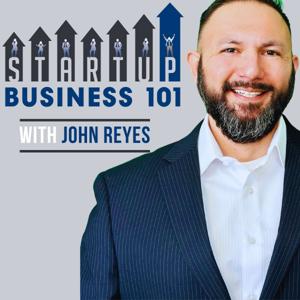


Consistency is one of the most powerful advantages a small-business owner can build. In this episode, we discuss how to keep moving forward when motivation fades, distractions pile up, or progress feels slower than expected.
Building a successful business is rarely about one big breakthrough. It is about showing up, taking focused action, and creating systems that make progress easier to repeat. Learn how to set realistic priorities, stay accountable, build productive routines, and turn small wins into lasting momentum.
Whether you are launching a new business or working to grow an existing one, this episode will help you stay focused on the actions that move your business forward.
Startup Business 101 helps entrepreneurs start, run, and lead successful businesses. Explore resources from the Startup Business 101 Blog, Podcast, and YouTube Channel.
© 2018–2026 Lion Enterprises Inc. and Startup Business 101. All rights reserved.
How to Sell with Confidence Without Feeling Pushy or Salesy
Selling doesn’t have to feel uncomfortable or forced. In this episode, we explore how entrepreneurs can approach sales with confidence, clarity, and genuine service—without feeling pushy or salesy.
When you believe in the value of what you offer, sales becomes less about pressure and more about helping the right people solve a real problem. Learn how to communicate your value, build trust, and confidently invite potential customers to take the next step.
Related resource: The Sales Confidence Blueprint: How to Sell Without Feeling Pushy or Salesy.
Startup Business 101 helps people start, run, and lead successful businesses. Through the Startup Business 101 Blog, Podcast, and YouTube Channel, we provide resources to help entrepreneurs navigate the process of starting a business and building one that succeeds.
If you want to start a company or have questions about making your small business successful, explore our resources.
Contact Information
© 2018–2026 Lion Enterprises Inc. and Startup Business 101. All rights reserved.
How to Build a Small-Business Brand People Remember and Trust
What do people think and feel when they hear your business name? Your brand is more than a logo or color palette. It is the promise you make, the message you share, and the experience customers have every time they interact with you.
In this episode of the Startup Business 101 Podcast, we discuss how to define what your business stands for, understand the people you serve, communicate what makes you different, and build trust through consistent action. Whether you are launching a new business or strengthening an existing one, you will find practical steps to help customers remember your brand for the right reasons.
Related Blueprint: The Branding Blueprint: How to Build a Brand People Remember and Trust
Startup Business 101 helps people start, run, and lead successful businesses. Through our blog, podcast, YouTube channel, and resources at StartupBusiness101.com, we provide practical guidance for aspiring entrepreneurs and small-business owners. If you are thinking about starting a company or looking for ways to strengthen one you already own, explore our resources.
Connect with Startup Business 101
Website: https://startupbusiness101.com
Email: [email protected]
Instagram: https://www.instagram.com/startupbusiness101/
Facebook: https://www.facebook.com/TheStartupBusiness101
YouTube: https://www.youtube.com/channel/TheStartupBusiness101
Podcast: https://startupbusiness101.com/podcast/
Social: @StartupBusiness101
© 2018–2026 Lion Enterprises Inc. and Startup Business 101. All rights reserved.
Related Blueprint: The Marketing Blueprint: How to Market Your Business Clearly and Effectively
Marketing your small business does not have to mean guessing, chasing trends, or spending money on random ideas that may or may not work. Many entrepreneurs feel pressure to be everywhere at once. They post on social media, try paid ads, redesign their website, print flyers, send emails, attend events, and experiment with different ideas, but they still feel unsure about what is actually helping the business grow.
In this episode of the Startup Business 101 Podcast, host John Reyes explains how small-business owners can stop wasting time and money on scattered marketing and start building a focused, practical marketing plan. Instead of trying to market to everyone, John teaches why successful marketing begins with understanding your ideal customer, clarifying your message, choosing the right channels, and measuring what is actually producing results.
This episode helps entrepreneurs understand that marketing is not just about posting more often or spending more money. Marketing is about communicating clearly to the right people, in the right places, with the right message, so customers understand how your business can help them. John discusses practical marketing tools such as social media, email marketing, content marketing, search engine visibility, local marketing, referral marketing, and simple ways to track what is working.
You will also learn why frequent activity does not always equal an effective strategy. A business can post every day and still fail to attract the right customers if the message is unclear. A business can spend money on ads and still see little return if the offer is confusing. A business can be active online but still miss opportunities in its own local community. The goal is not to do everything. The goal is to choose the marketing actions that make the most sense for your business, your customers, and your current stage of growth.
This episode is especially helpful for aspiring entrepreneurs, first-time business owners, local business owners, service providers, and small-business owners who want to market more clearly, consistently, and confidently without wasting valuable time or money.
In this episode, you will learn how to:
Related Blueprint
If you want step-by-step help creating a practical marketing plan, visit StartupBusiness101.com and check out The Marketing Blueprint: How to Market Your Business Clearly and Effectively. This Blueprint was created as a helpful companion to this episode and includes practical tools to help you clarify your message, understand your customer, choose the right marketing channels, build a content plan, review your current marketing efforts, and create a focused plan for growth.
The goal is not to overwhelm you with complicated marketing theory. The goal is to help you communicate clearly, reach the right customers, and market your business in a way that supports real growth.
Key Reminder
Marketing is not about being everywhere. It is about being clear, consistent, and intentional where it matters most. When your message is clear and your marketing efforts are focused, the right customers are more likely to understand your value and take the next step.
About Startup Business 101
Startup Business 101 helps people start, run, and lead successful businesses. Through the Startup Business 101 Blog, Startup Business 101 Podcast, Startup Business 101 YouTube Channel, Blueprints, and additional business resources, Startup Business 101 helps entrepreneurs navigate the process of starting, building, and growing a successful small business.
If you want to start a company or have questions about what it takes to make your small business successful, visit StartupBusiness101.com and explore the available resources.
Website and Social Media Channels
Website: https://startupbusiness101.com
Podcast: https://startupbusiness101.com/podcast/
Instagram: https://www.instagram.com/startupbusiness101/
Facebook: https://www.facebook.com/TheStartupBusiness101
YouTube: https://www.youtube.com/channel/TheStartupBusiness101
Handle: @StartupBusiness101
How to Find Your First Customers and Build a Business People Recommend
Related Blueprint: The Customer Growth Blueprint: How to Find and Win Your First Customers
Finding your first customers is one of the most important and challenging steps in building a business. Many entrepreneurs create a product or service, launch a website, post on social media, and then wait for customers to show up. But in the early stages of business, customers usually do not appear by accident. They are found through intentional outreach, clear communication, relationships, referrals, follow-up, and consistent service that gives people a reason to recommend you.
In this episode of the Startup Business 101 Podcast, host John Reyes explains how new and growing business owners can stop waiting for customers and start building a practical customer-growth plan. This episode teaches entrepreneurs how to identify their ideal customer, understand where those customers spend time, communicate the problem they solve, and take simple actions that create real conversations and opportunities.
John also explains why early customers often come through relationships, referrals, networking, local connections, and direct follow-up. While marketing matters, many first customers are won because the entrepreneur is willing to talk to people, serve well, ask for introductions, follow up professionally, and make it easy for satisfied customers to recommend the business to others.
This episode also highlights the importance of building a business people want to recommend. Winning the first customer is important, but creating a great experience after the sale is what leads to repeat business, referrals, positive reviews, and long-term growth. A business that communicates clearly, follows through, solves real problems, and treats people well has a much better chance of becoming known and trusted.
If you are trying to find your first customers, grow your customer base, create a referral strategy, or become more intentional about customer relationships, this episode will help you take practical steps forward.
In this episode, you will learn how to:
Related Blueprint
If you want step-by-step help finding and winning your first customers, visit StartupBusiness101.com and check out The Customer Growth Blueprint: How to Find and Win Your First Customers. This Blueprint was created as a practical companion to this episode and includes tools to help you identify potential customers, build a customer acquisition plan, create a referral strategy, track growth opportunities, and take consistent action toward building your customer base.
Key Reminder
Your first customers will usually come from clear communication, consistent action, real relationships, and excellent service. Do not wait for people to discover your business by accident. Go serve, follow up, build trust, and give people a reason to recommend you.
About Startup Business 101
Startup Business 101 helps people start, run, and lead successful businesses. Through the Startup Business 101 Blog, Startup Business 101 Podcast, Startup Business 101 YouTube Channel, and practical business resources, Startup Business 101 helps entrepreneurs navigate the process of starting a business and building it into something that can grow and succeed.
If you want to start a company or have questions about what it takes to make your small business successful, visit StartupBusiness101.com and explore the available resources.
Contact Information
Website: https://startupbusiness101.com
Email: [email protected]
Instagram: https://www.instagram.com/startupbusiness101/
Facebook: https://www.facebook.com/TheStartupBusiness101
YouTube: https://www.youtube.com/channel/TheStartupBusiness101
Podcast: https://startupbusiness101.com/podcast/
Handle: @StartupBusiness101
Cash Flow Explained: How to Understand Revenue, Profit, and the Money in Your Business
Cash flow is one of the most important parts of business ownership—and one of the easiest to misunderstand. A business can be busy, receive customer payments, show a profit on paper, and still struggle to pay rent, payroll, suppliers, taxes, or loan payments on time.
In this episode of the Startup Business 101 Podcast, John Reyes explains cash flow in clear, practical language. You will learn the difference between revenue, profit, and available cash; why timing matters as much as sales; and how to identify financial pressure before it becomes an emergency.
You will also discover how delayed invoices, rising expenses, customer deposits, inventory purchases, debt payments, and tax obligations can affect the money truly available in your business account. Most importantly, you will learn how a simple weekly cash-flow review can help you make calmer, wiser decisions.
In this episode, you will learn how to:
Cash flow does not have to be confusing or frightening. When you make the movement of money visible, you gain more time, more options, and more confidence as a business owner.
Related resource: The Cash Flow Blueprint: How to Understand Revenue, Profit, and Cash Flow Without Confusion is a practical guide filled with worksheets, cash-flow trackers, financial-health assessments, reflection questions, and step-by-step action plans to help you manage the money that keeps your business moving.
Visit StartupBusiness101.com to learn more and get your copy of The Cash Flow Blueprint.
Startup Business 101 is a company that helps people start, run, and lead a successful business. It consists of a Startup Business 101 Blog, Startup Business 101 Podcast, and a Startup Business 101 YouTube Channel. StartupBusiness101.com has many resources to help entrepreneur navigate their way to begin their business and resources to help them it succeeds.
If you want to start a company or have questions on what it takes to make your small business successful, check out our resources.
Contact Information
https://startupbusiness101.com
https://www.instagram.com/startupbusiness101/
https://www.facebook.com/TheStartupBusiness101
https://www.youtube.com/channel/TheStartupBusiness101
@StartupBusiness101
https://startupbusiness101.com/podcast/
© 2018 - 2026, Lion Enterprises Inc. and Startup Business 101 reserves the rights of this content.
Starting a business is exciting, but spending money too quickly can create unnecessary pressure before you have had time to learn what customers truly want. In this episode of the Startup Business 101 Podcast, John Reyes explains how to make wise startup-money decisions, build a realistic budget, protect your personal finances, and launch your business with greater clarity and confidence.
You will learn why a purchase that makes a business look more established is not always the purchase that helps it become more sustainable. From equipment and inventory to software, office space, marketing, and funding, every early expense should have a clear purpose. The goal is not to avoid investing in your business. The goal is to invest wisely, protect your household, and give your business enough room to learn and grow.
In this episode, you will discover how to:
You will also hear the story of Marcus, an aspiring mobile coffee-cart owner who avoids an expensive launch by testing his offer, listening to customers, and investing only after he has real evidence of demand.
This week’s listener challenge is simple: list every startup expense you are considering, place it into the right category, and ask whether it helps you serve customers, generate revenue, reduce risk, or validate demand. You may discover that the smallest responsible version of your business costs far less than the final version you imagined.
For practical worksheets, assessments, and step-by-step guidance, visit StartupBusiness101.com and explore The Startup Money Blueprint: What Every New Business Owner Needs to Know About Money. It includes a Startup Budget Worksheet, Funding Readiness Assessment, and Financial Planning Tool.
Connect with Startup Business 101:
Manage your money with clarity, discipline, and purpose today so your business has the stability and room it needs to grow tomorrow.
How to Price Your Products and Services with Confidence Without Undercharging
Related Manuel Blueprint: The Pricing Blueprint: How to Price Your Product or Service with Confidence
https://amzn.to/3TYfj0V
Pricing can be one of the most difficult decisions for a new or growing business owner. Many entrepreneurs are afraid to charge too much, so they underprice their products or services in hopes of attracting more customers. But undercharging can create serious problems. It can reduce profit, increase stress, limit growth, and make it harder for the business to provide the quality, service, and support customers deserve.
In this episode of the Startup Business 101 Podcast, host John Reyes explains how to price your products and services with greater clarity and confidence. You will learn why guessing at your prices is risky, why revenue is not the same as profit, and why every business owner needs to understand costs, margins, value, and the financial reality behind each sale.
John discusses important pricing concepts such as cost-based pricing, value-based pricing, competitive pricing, fixed costs, variable costs, gross profit, profit margins, and pricing psychology. He also explains why the cheapest price is not always the best strategy and why a business must charge enough to serve customers well, pay expenses, support growth, and remain financially healthy.
This episode also encourages entrepreneurs to stop apologizing for their prices when the value is clear, the service is strong, and the business is priced responsibly. Pricing with confidence does not mean overcharging. It means understanding your numbers, communicating your value, and building a business that can actually survive and grow.
If you are starting a business, reviewing your current prices, or realizing that you may be working too hard for too little profit, this episode will help you think more clearly about what your products and services are really worth.
In this episode, you will learn how to:
Key reminder: Revenue does not automatically mean your business is healthy. You need pricing that covers your costs, protects your profit, reflects your value, and gives your business room to grow.
Related Blueprint: If you want step-by-step help building a stronger pricing strategy, visit StartupBusiness101.com and check out The Pricing Blueprint: How to Price Your Product or Service with Confidence. This Blueprint was created as a practical companion to this episode and includes pricing tools, profit margin worksheets, and a pricing audit to help you price with greater clarity and confidence.
About Startup Business 101
Startup Business 101 helps people start, run, and lead successful businesses. Through the Startup Business 101 Blog, Startup Business 101 Podcast, Startup Business 101 YouTube Channel, and practical business resources, Startup Business 101 helps entrepreneurs navigate the process of starting a business and building it into something that can succeed.
If you want to start a company or have questions about what it takes to make your small business successful, visit StartupBusiness101.com and explore the available resources.
Contact Information
Website: https://startupbusiness101.com
Email: [email protected]
Instagram: https://www.instagram.com/startupbusiness101/
Facebook: https://www.facebook.com/TheStartupBusiness101
YouTube: https://www.youtube.com/channel/UCaPF5enjAtBn8NVfsyGZjXA
Podcast: https://startupbusiness101.com/podcast/
Handle: @StartupBusiness101
© 2018–2026, Lion Enterprises Inc. and Startup Business 101 reserve the rights to this content.
A great business idea is not enough by itself. Customers need a clear reason to understand the value, trust the solution, and confidently say yes. In this episode of the Startup Business 101 Podcast, John Reyes explains how to turn a general product, service, or business concept into a focused offer that the right customer can easily understand and genuinely want to buy.
Many aspiring entrepreneurs spend too much time adding features, creating packages, and trying to make their offer sound impressive before they clearly define the customer, the problem, and the result. This often leads to confusing offers that are difficult to explain, sell, price, and deliver. A stronger offer begins with one clear customer need and builds a practical solution around the progress that customer wants to make.
In this episode, you will learn how to identify the primary result your offer should support, separate essential deliverables from unnecessary extras, and explain the value in language your customer naturally understands. You will also discover why clear boundaries, realistic promises, customer responsibilities, trust-building evidence, and a simple buying process are essential parts of an offer—not minor details added after the fact.
John also discusses the difference between an idea, a service, and a complete offer. An idea describes what you might provide. A service names the type of work you perform. A complete offer tells the customer exactly who it is for, what problem it addresses, what they will receive, how the process works, what result it supports, and what they should do next.
You will hear practical guidance for avoiding common offer-building mistakes, including trying to serve everyone, adding too many features, creating too many packages, using vague language, copying competitors, overpromising results, and building the entire offer before testing whether customers will actually buy it.
The goal is not to create the biggest or most complicated offer. The goal is to create one focused, valuable, and deliverable solution that the right customer can understand, purchase, receive, and recommend.
In This Episode, You Will Learn
Questions to Consider
As you listen, think about the offer you are currently building or selling. Can your customer understand it without a long explanation? Is the result clear? Does every included feature strengthen that result? Are the customer’s responsibilities explained? Have you clearly defined what is outside the scope? Does the offer feel simple and trustworthy, or complicated and uncertain?
Most importantly, ask yourself whether you have evidence that customers want the offer—or whether you are still relying primarily on your own assumptions.
Related Blueprint
This episode is supported by The Offer Blueprint: How to Build an Offer People Actually Want to Buy.
The Offer Blueprint is designed to help you move beyond a general idea and build a focused offer that is clear, valuable, testable, and practical to deliver. It provides structured guidance, worksheets, exercises, checklists, and action steps to help you define the customer result, choose the core solution, establish deliverables and boundaries, communicate value, reduce customer uncertainty, and test your offer before making major investments.
The podcast introduces the concepts. The Blueprint helps you apply them to your own business.
Visit StartupBusiness101.com to learn more about The Offer Blueprint and explore additional resources created to help you start, run, lead, and grow a successful business with greater clarity and confidence.
Continue Learning
Additional business guidance, podcast episodes, practical articles, and Startup Business 101 Blueprints are available at:
StartupBusiness101.com
You can also follow Startup Business 101 on Facebook, Instagram, and YouTube for more practical support, encouragement, and step-by-step business education.
Final Thought
Customers do not need the longest list of features or the most impressive collection of promises. They need to understand what you offer, why it matters, how it will help, and what they should do next.
Build one clear offer around one meaningful customer need. Deliver it well. Learn from the people you serve. Improve it with evidence.
That is how a business idea becomes an offer customers actually want to buy.
Startup Business 101 is a company that helps people start, run, and lead a successful business. It consists of a Startup Business 101 Blog, Startup Business 101 Podcast, and a Startup Business 101 YouTube Channel. StartupBusiness101.com has many resources to help entrepreneur navigate their way to begin their business and resources to help them it succeeds.
If you want to start a company or have questions on what it takes to make your small business successful, check out our resources.
Contact Information
https://startupbusiness101.com
https://www.instagram.com/startupbusiness101/
https://www.facebook.com/TheStartupBusiness101
https://www.youtube.com/channel/TheStartupBusiness101
@StartupBusiness101
https://startupbusiness101.com/podcast/
© 2018 - 2026, Lion Enterprises Inc. and Startup Business 101 reserves the rights of this content.
How to Write a Simple Business Plan That Helps You Start and Grow Your Business
A business plan does not have to be complicated, overwhelming, or filled with language only bankers and investors understand. For most new entrepreneurs, the best business plan is a simple, practical document that helps you think clearly, make better decisions, and move forward with confidence.
In this episode of the Startup Business 101 Podcast, host John Reyes explains how to create a business plan that actually helps you start and grow your business. Instead of writing a long document that gets forgotten in a folder, you will learn how to build a working plan that guides your decisions, clarifies your direction, and helps you understand what your business is really trying to accomplish.
This episode walks through the essential parts of a simple business plan, including your business concept, the problem you solve, your target customer, your products or services, your competitive advantage, your marketing strategy, your operations plan, your startup budget, your revenue streams, your financial projections, your goals, your milestones, and your SWOT analysis.
John also explains the difference between a practical working business plan and a more formal business plan that may be needed for lenders, investors, grants, or major partnerships. For many small-business owners, the first goal is not to impress someone with a complicated document. The first goal is to understand the business clearly enough to take the next right step.
You will also learn why a business plan should answer simple but powerful questions: What does my business sell? Who does it serve? What problem does it solve? How will customers find me? How will the business make money? What will it cost to start and operate? What milestones should I focus on first?
This episode is especially helpful for aspiring entrepreneurs, first-time business owners, side-hustle owners, and anyone who has an idea but needs a clearer plan before investing more time, money, and energy.
If you want step-by-step help creating your own simple, practical business plan, visit the related Blueprint below.
Related Blueprint: The Business Plan Blueprint: How to Create a Simple, Practical Business Plan That Works
Get the Blueprint on Startup Business 101:
https://startupbusiness101.com
Find the Blueprint on Amazon:
https://www.amazon.com/s?k=The+Business+Plan+Blueprint+How+to+Create+a+Simple+Practical+Business+Plan+That+Works
In this episode, you will learn how to:
Key reminder: A business plan is not just a document. It is a decision-making tool that helps you turn your idea into a clearer path forward.
Listen now and learn how to write a simple business plan that helps you start with clarity and grow with confidence.
From the publisher's feed
Startup Business 101 is a company that helps people start and run a successful business. It comprises a Startup Business 101 Blog, Startup Business 101 Podcast, and a Startup Business 101…
If you want to start a company or have questions about what it takes to make your small business successful, check out our resources.
Contact Information
StartupBusiness101.com
https://www.instagram.com/startupbusiness101/
https://www.facebook.com/TheStartupBusiness101
https://www.youtube.com/channel/TheStartupBusiness101
@StartupBusiness101