
Sign up to save your podcasts
Or

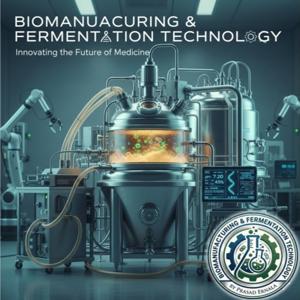

The primary focus this episode is on maintaining a validated sterile boundary during the transfer of material from upstream fermentation to downstream processing is a complex engineering challenge that extends beyond simple logistics. My analysis highlights that sterility is a dynamic variable influenced by mechanical integrity, equipment design, and rigorous cleaning protocols rather than a static attribute. High-solids broth and complex piping networks create risks like hidden dead legs and pressure-induced leaks, which can lead to biofilm accumulation and gradual margin erosion over time. These interface failures often masquerade as downstream efficiency issues, resulting in filter fouling and yield loss that actually originate from compromised transfer architecture. Consequently, industrial success depends on treating the transition as a sterility-critical unit operation governed by explicit readiness criteria and robust hygienic design. Success requires a disciplined approach to CIP/SIP integration and the use of checklists to ensure that physical boundaries remain intact across multiple production campaigns.
 View all episodes
 By prasad ernala
The primary focus this episode is on maintaining a validated sterile boundary during the transfer of material from upstream fermentation to downstream processing is a complex engineering challenge that extends beyond simple logistics. My analysis highlights that sterility is a dynamic variable influenced by mechanical integrity, equipment design, and rigorous cleaning protocols rather than a static attribute. High-solids broth and complex piping networks create risks like hidden dead legs and pressure-induced leaks, which can lead to biofilm accumulation and gradual margin erosion over time. These interface failures often masquerade as downstream efficiency issues, resulting in filter fouling and yield loss that actually originate from compromised transfer architecture. Consequently, industrial success depends on treating the transition as a sterility-critical unit operation governed by explicit readiness criteria and robust hygienic design. Success requires a disciplined approach to CIP/SIP integration and the use of checklists to ensure that physical boundaries remain intact across multiple production campaigns.