
Sign up to save your podcasts
Or


Send us Fan Mail
Peace is one of the most marketed words in our culture, but we keep trying to buy it with the same tired substitutes: pleasure, status, control, and escape. We start by saying the quiet part out loud: you can eat, drink, smoke, hustle, and flex your way through life and still feel unsettled. The turning point comes with a clear claim that challenges both the religious and the skeptical: lasting peace of mind starts with authority, with the confession that Jesus Christ is Lord and that lordship is not just a title but an implied pledge of obedience.
From there, we slow down and unpack what “Lord” actually means: power, ownership, and the right to direct a life. We connect that to the gospel story through the cross, the burial, and the insistence that resurrection power changes what fear can do to you. We also wrestle with the temptation to delay change, the voice that says, “later,” and the warning that waiting is not neutral. Psalm 23 becomes a practical map for restless hearts, naming what we crave most and why contentment is not complacency.
Then the conversation pivots outward to civic life and moral leadership, arguing that injustice survives when leaders refuse to use the authority already in their hands. We tie that urgency to Martin Luther King Jr.’s Nobel Peace Prize speech and his insistence that nonviolence is not passivity but a powerful moral force grounded in love. If you care about Christian discipleship, spiritual peace, civil rights history, or the ethics of power, this one connects the dots.
Subscribe for more, share this with a friend who needs hope, and leave a review. What line from the episode stays with you?
Support the show
 View all episodes
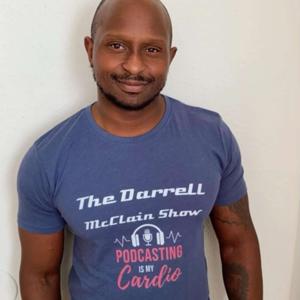
 By Darrell McClain
5
1010 ratings
Send us Fan Mail
Peace is one of the most marketed words in our culture, but we keep trying to buy it with the same tired substitutes: pleasure, status, control, and escape. We start by saying the quiet part out loud: you can eat, drink, smoke, hustle, and flex your way through life and still feel unsettled. The turning point comes with a clear claim that challenges both the religious and the skeptical: lasting peace of mind starts with authority, with the confession that Jesus Christ is Lord and that lordship is not just a title but an implied pledge of obedience.
From there, we slow down and unpack what “Lord” actually means: power, ownership, and the right to direct a life. We connect that to the gospel story through the cross, the burial, and the insistence that resurrection power changes what fear can do to you. We also wrestle with the temptation to delay change, the voice that says, “later,” and the warning that waiting is not neutral. Psalm 23 becomes a practical map for restless hearts, naming what we crave most and why contentment is not complacency.
Then the conversation pivots outward to civic life and moral leadership, arguing that injustice survives when leaders refuse to use the authority already in their hands. We tie that urgency to Martin Luther King Jr.’s Nobel Peace Prize speech and his insistence that nonviolence is not passivity but a powerful moral force grounded in love. If you care about Christian discipleship, spiritual peace, civil rights history, or the ethics of power, this one connects the dots.
Subscribe for more, share this with a friend who needs hope, and leave a review. What line from the episode stays with you?
Support the show
14,378 Listeners

56,508 Listeners