
Sign up to save your podcasts
Or



Economics and the paradoxical dynamic between challenging patriarchy publicly and the retrenchment of domestic hierarchy.
Dr. Elizabeth Smith-Moschella, focuses on the implications of race and sexual assault policies in institutions. Several of her projects address how economic needs of survivors impacts their recovery, and evaluates prevention tools to reduce violence and harassment among marginalized communities.
In this episode we discuss the social cost of SV within institutions vs. the monetary incentives to protect women to understand what factors advance SV in different types of institutions like the workplace or academia. We also explore the momentum for re-victimization, and how this trauma is displayed in measurable facets: academic and career outcomes.
With the help of expert guest, Aileen Stotter, this episode contextualizes eating disorders within sexual trauma. Stotter is a NYC based licensed therapist who specializes in eating disorders, depression and anxiety. We unpack how eating disorders reflect and encourage several physical and mental health. The goal is to understand how trauma, including sexual violence permeates and manifests in everyday life, to identify tools for survivors and their support system.
I lived through several types of eating disorders, what made them so different? I grew up in a household that celebrated food and was a 'perfectly healthy' athlete. So how could I develop an ED ? If they're not actually about food, what are they about? What are the different forms of medical treatment?
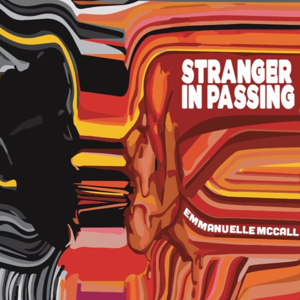
Welcome to Stranger in Passing, with me, Emmanuelle McCall. In this episode you'll come to learn who I am, why I started this podcast, and what kinds of topics and experts you will expect to hear from.
From the publisher's feed
Sexual violence is a snapshot. Trauma is its social and individual cost. And coping is the labor we do.
This is not about a podcast about coping with sexual violence, this podcast…
With the help of experts, Host Emmanuelle McCall will walk you through her lived experiences. While we’ll find solidarity in the commonly known, you’ll also be challenged to consider how sexual subordination is beyond physical and psychological, but systematic.