
Sign up to save your podcasts
Or

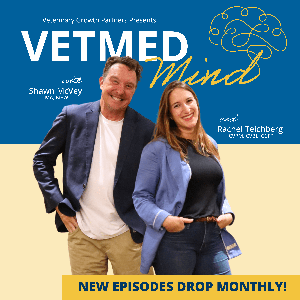

In this episode of VetMed Mind, hosts Rachel Teichberg and Shawn McVey sit down with Dr. Leslie Bauer—Medical Director at Thrive Pet Healthcare Specialists in San Antonio. A dvm360 Veterinary Hero Award winner, Dr. Bauer shares her journey from a second-grader who dreamed of becoming a veterinarian to a 23+ year ER career devoted to elevating emergency medicine and the people who practice it.
Dr. Bauer opens up about early imposter syndrome, working solo overnight shifts, and the long road to confidence—and why normalizing vulnerability is essential for retention and growth. She also details how she helped transform a “broken” hospital into a collaborative, training-centered center of excellence, and how Thrive is building a university-style ecosystem of interns and residents across multiple specialties (including ER as a true specialty track).
In this episode, you’ll learn:
To learn more about Dr. Bauer's work:
Website - https://www.thrivepetcare.com/
The VetMed Mind is a podcast project about sharing inspirational stories, lessons, and successes from the fantastic people of the veterinary industry.
Key Topics Discussed:
Background & career path
Early-career challenges & mindset
Coping strategies & growth
Leadership & ER advocacy
Hospital turnaround & culture building
Thrive roles & programs
Training ecosystem & cohort methods
Symposium & continuing education
Professional fulfillment & recognition
Mindset & resilience guidance
Hiring, retention & management practices
Culture rituals & operating cadence
ER’s position in specialty hospitals
 View all episodes
 By Veterinary Growth Partners
In this episode of VetMed Mind, hosts Rachel Teichberg and Shawn McVey sit down with Dr. Leslie Bauer—Medical Director at Thrive Pet Healthcare Specialists in San Antonio. A dvm360 Veterinary Hero Award winner, Dr. Bauer shares her journey from a second-grader who dreamed of becoming a veterinarian to a 23+ year ER career devoted to elevating emergency medicine and the people who practice it.
Dr. Bauer opens up about early imposter syndrome, working solo overnight shifts, and the long road to confidence—and why normalizing vulnerability is essential for retention and growth. She also details how she helped transform a “broken” hospital into a collaborative, training-centered center of excellence, and how Thrive is building a university-style ecosystem of interns and residents across multiple specialties (including ER as a true specialty track).
In this episode, you’ll learn:
To learn more about Dr. Bauer's work:
Website - https://www.thrivepetcare.com/
The VetMed Mind is a podcast project about sharing inspirational stories, lessons, and successes from the fantastic people of the veterinary industry.
Key Topics Discussed:
Background & career path
Early-career challenges & mindset
Coping strategies & growth
Leadership & ER advocacy
Hospital turnaround & culture building
Thrive roles & programs
Training ecosystem & cohort methods
Symposium & continuing education
Professional fulfillment & recognition
Mindset & resilience guidance
Hiring, retention & management practices
Culture rituals & operating cadence
ER’s position in specialty hospitals