
Sign up to save your podcasts
Or

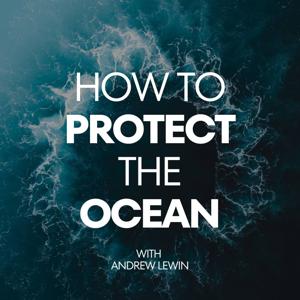

Blackfish has caused a change in tide for the plight of captive marine mammals as the public is demanding for the release of Orcas and other marine mammals from captivity. Sea World was forced to stop its Orca shows, which had the whales do tricks in exchange for food and the entertainment of the crowd; however, they do not want to release the animals into their natural setting due to the wild being dangerous with pollutants and lack of food.
As Sea World continues to deny the fact that these animals are better off in captivity, the National Aquarium of Baltimore announced that it will be releasing its 8 Atlantic bottlenose dolphins into sea pens in Florida or the Caribbean. This announcement flips the switch on releasing marine mammals back into the wild as I for one did not expect this conversation to progress into action.
Releasing the animals won't be easy. Many of the individuals were born in captivity and are not used to fending for food. How do you teach a dolphin how to fend for itself? Does instinct kick in?
Captive dolphins have been protected from predators, will they be able to avoid predators through instinct?
There is also the debate of whether it's a good idea to release the animals vs keep them captive for their own good. Many people say it would be better that the captive marine mammals die in the wild trying to survive rather than suffer in captivity, secluded from their pods and kept from swimming 100s of kilometers per day.
Take a listen to the podcast to hear Sea World's response to the National Aquarium of Baltimore's announcement.
Instagram: @speakupforblue
SUFB Podcast: http://www.speakupforblue.com/podcast
SUFB Website: http://www.speakupforblue.com
10 Ocean Tips to Conserve the Ocean: http://www.speakupforblue.com/wordpress/sufb_optinpdf
 View all episodes
 By Andrew Lewin

4.8
189189 ratings
Blackfish has caused a change in tide for the plight of captive marine mammals as the public is demanding for the release of Orcas and other marine mammals from captivity. Sea World was forced to stop its Orca shows, which had the whales do tricks in exchange for food and the entertainment of the crowd; however, they do not want to release the animals into their natural setting due to the wild being dangerous with pollutants and lack of food.
As Sea World continues to deny the fact that these animals are better off in captivity, the National Aquarium of Baltimore announced that it will be releasing its 8 Atlantic bottlenose dolphins into sea pens in Florida or the Caribbean. This announcement flips the switch on releasing marine mammals back into the wild as I for one did not expect this conversation to progress into action.
Releasing the animals won't be easy. Many of the individuals were born in captivity and are not used to fending for food. How do you teach a dolphin how to fend for itself? Does instinct kick in?
Captive dolphins have been protected from predators, will they be able to avoid predators through instinct?
There is also the debate of whether it's a good idea to release the animals vs keep them captive for their own good. Many people say it would be better that the captive marine mammals die in the wild trying to survive rather than suffer in captivity, secluded from their pods and kept from swimming 100s of kilometers per day.
Take a listen to the podcast to hear Sea World's response to the National Aquarium of Baltimore's announcement.
Instagram: @speakupforblue
SUFB Podcast: http://www.speakupforblue.com/podcast
SUFB Website: http://www.speakupforblue.com
10 Ocean Tips to Conserve the Ocean: http://www.speakupforblue.com/wordpress/sufb_optinpdf

3,223 Listeners

599 Listeners
12,237 Listeners
407 Listeners
410 Listeners

164 Listeners

366 Listeners

24,554 Listeners

3,422 Listeners

113 Listeners

15,592 Listeners
177 Listeners

2,857 Listeners

2,409 Listeners

805 Listeners