
Sign up to save your podcasts
Or

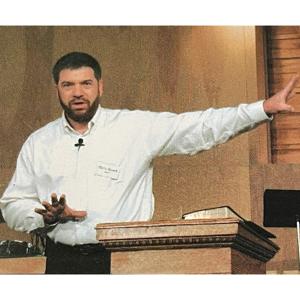

The central message of this sermon is that faithfulness as a steward, rather than personal morality or doctrine, is the core issue in determining one's standing before God, and it is only the Lord who has the authority to judge in this matter. The speaker argues that when we make judgments about others' faithfulness as stewards, we are usurping Christ's authority and assuming a role that belongs solely to Him. This understanding advances the belief that Christian service and leadership should be guided by humility, recognizing our own limitations and fallibility, rather than seeking to impose human judgment on others. The takeaway is that true faithfulness is not about external appearances or accomplishments, but about being faithful to the specific charge and responsibility entrusted to us by God, which can only be accurately assessed by Him at the Bema seat judgment.
 View all episodes
 By cstpb
5
22 ratings
The central message of this sermon is that faithfulness as a steward, rather than personal morality or doctrine, is the core issue in determining one's standing before God, and it is only the Lord who has the authority to judge in this matter. The speaker argues that when we make judgments about others' faithfulness as stewards, we are usurping Christ's authority and assuming a role that belongs solely to Him. This understanding advances the belief that Christian service and leadership should be guided by humility, recognizing our own limitations and fallibility, rather than seeking to impose human judgment on others. The takeaway is that true faithfulness is not about external appearances or accomplishments, but about being faithful to the specific charge and responsibility entrusted to us by God, which can only be accurately assessed by Him at the Bema seat judgment.