
Sign up to save your podcasts
Or

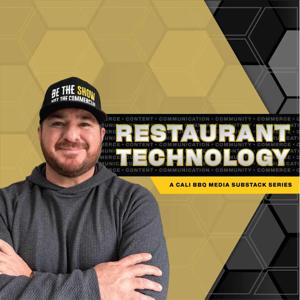

In this Restaurant Tech Tour, we visited James Petrakis at his Ravenous Pig in Florida to discuss the strategic tech stack that transformed a “survival-mode” startup into a hospitality group that now includes The Polite Pig at Disney Springs and a brewery operation.
When James and Julie Petrakis opened The Ravenous Pig in 2007, they were filling a void in an Orlando market dominated by chains. The husband-and-wife team, both alumni of the Culinary Institute of America, returned to their roots in Winter Park to pioneer a craft food movement rooted in “everything scratch-made”.
The early days were defined by grit rather than glamour. Cash was so tight that after his car was stolen, James biked to work while finishing a restaurant he could barely afford to open.
Today, that resilience has paid off: James is a seven-time James Beard Best Chef South semifinalist, and The Ravenous Pig holds a prestigious Michelin Bib Gourmand recognition.
WATCH MORE: James Petrakis on Restaurant Influencers on Entrepreneur.com
Their menu remains an “American Gastropub” powerhouse, featuring progressive, farm-to-table dishes like Wagyu Filets, Tomahawks, and ducks that have transformed Orlando into a serious food destination.
inKind: The Capital and Marketing Engine
For Petrakis, inKind became the bridge to sustainable growth. inKind is a digital financing and loyalty platform that provides restaurants with upfront capital in exchange for digital gift certificates sold to their customer base.
Over time, the pre-paid credit model—where guests purchase dining credit in advance—evolved into a tool that his regulars embraced. This transformed initial financial relief into a powerful loyalty and marketing engine that kept the lights on and the business moving forward even when margins were thin.
* Capital Without the Bank: By leveraging inKind, Petrakis accessed funding without the rigid constraints or collateral requirements of traditional bank loans.
* Automated Marketing: James replaced expensive PR firms with inKind’s native marketing tools and email blasts, which he found provided significantly more “bang for his buck”.
* Frictionless Loyalty: Because the certificates are digital and stored in the guest’s email, regulars can’t lose them, creating a “loyalty engine” that provides reliable revenue.
Toast: Maximizing Efficiency
To manage multiple high-volume concepts, James consolidated his entire operation onto Toast.
Toast is an all-in-one point-of-sale and management system designed specifically to help restaurants improve operations and increase sales.
* Handheld Productivity: In the Ravenous Pig Beer Garden, five servers can manage a crowd of 200 people using Toast handheld technology.
* Increased Sales: By using handhelds, orders go straight to the bar and kitchen instantly. This allows servers to stay on the floor, focusing entirely on hospitality and selling more beer.
* Operational Simplicity: James noted that the system’s ease of use made it simple to roll out across the entire group, including their massive Polite Pig operation at Disney Springs.
7shifts: Streamlining Labor
With some employees staying for nearly two decades, James prioritizes “quality of life.” To manage complex scheduling across his empire, he relies on 7shifts.
7shifts is a team management platform that helps restaurants simplify scheduling, communication, and labor compliance. It ensures the team has the stability they need—a cornerstone of the “family” culture the Petrakis duo has built.
Resy: Managing Guest Experience
To handle the flow of a Michelin-recognized dining room, the group utilizes Resy for reservations. Resy is a hospitality technology platform that powers restaurant reservations and table management. This ensures a seamless guest experience from the appetizers to the final course, which Shawn Walchef noted “keeps raising the bar”.
The Strategy of Craft: Batching and Brewery Economics
Petrakis also shared two key “insider” strategies that keep the business lean:
* Cocktail Batching: To avoid “10-minute wait” times for craft cocktails, the bar batches its top-selling drinks for speed. This efficiency ensures guests get their first round fast, encouraging them to order more.
* Vertical Integration: The brewery operation ($50 per keg via a distributor vs. $375 per keg on-premise) is only sustainable because Petrakis is his own best customer. By selling 50% of his beer at his own locations like Disney Springs and the airport, he keeps the high “on-premise” profit margin for himself.
Thanks for checking out Restaurant Technology! Please share to grow our community.
 View all episodes
 By Cali BBQ Media
In this Restaurant Tech Tour, we visited James Petrakis at his Ravenous Pig in Florida to discuss the strategic tech stack that transformed a “survival-mode” startup into a hospitality group that now includes The Polite Pig at Disney Springs and a brewery operation.
When James and Julie Petrakis opened The Ravenous Pig in 2007, they were filling a void in an Orlando market dominated by chains. The husband-and-wife team, both alumni of the Culinary Institute of America, returned to their roots in Winter Park to pioneer a craft food movement rooted in “everything scratch-made”.
The early days were defined by grit rather than glamour. Cash was so tight that after his car was stolen, James biked to work while finishing a restaurant he could barely afford to open.
Today, that resilience has paid off: James is a seven-time James Beard Best Chef South semifinalist, and The Ravenous Pig holds a prestigious Michelin Bib Gourmand recognition.
WATCH MORE: James Petrakis on Restaurant Influencers on Entrepreneur.com
Their menu remains an “American Gastropub” powerhouse, featuring progressive, farm-to-table dishes like Wagyu Filets, Tomahawks, and ducks that have transformed Orlando into a serious food destination.
inKind: The Capital and Marketing Engine
For Petrakis, inKind became the bridge to sustainable growth. inKind is a digital financing and loyalty platform that provides restaurants with upfront capital in exchange for digital gift certificates sold to their customer base.
Over time, the pre-paid credit model—where guests purchase dining credit in advance—evolved into a tool that his regulars embraced. This transformed initial financial relief into a powerful loyalty and marketing engine that kept the lights on and the business moving forward even when margins were thin.
* Capital Without the Bank: By leveraging inKind, Petrakis accessed funding without the rigid constraints or collateral requirements of traditional bank loans.
* Automated Marketing: James replaced expensive PR firms with inKind’s native marketing tools and email blasts, which he found provided significantly more “bang for his buck”.
* Frictionless Loyalty: Because the certificates are digital and stored in the guest’s email, regulars can’t lose them, creating a “loyalty engine” that provides reliable revenue.
Toast: Maximizing Efficiency
To manage multiple high-volume concepts, James consolidated his entire operation onto Toast.
Toast is an all-in-one point-of-sale and management system designed specifically to help restaurants improve operations and increase sales.
* Handheld Productivity: In the Ravenous Pig Beer Garden, five servers can manage a crowd of 200 people using Toast handheld technology.
* Increased Sales: By using handhelds, orders go straight to the bar and kitchen instantly. This allows servers to stay on the floor, focusing entirely on hospitality and selling more beer.
* Operational Simplicity: James noted that the system’s ease of use made it simple to roll out across the entire group, including their massive Polite Pig operation at Disney Springs.
7shifts: Streamlining Labor
With some employees staying for nearly two decades, James prioritizes “quality of life.” To manage complex scheduling across his empire, he relies on 7shifts.
7shifts is a team management platform that helps restaurants simplify scheduling, communication, and labor compliance. It ensures the team has the stability they need—a cornerstone of the “family” culture the Petrakis duo has built.
Resy: Managing Guest Experience
To handle the flow of a Michelin-recognized dining room, the group utilizes Resy for reservations. Resy is a hospitality technology platform that powers restaurant reservations and table management. This ensures a seamless guest experience from the appetizers to the final course, which Shawn Walchef noted “keeps raising the bar”.
The Strategy of Craft: Batching and Brewery Economics
Petrakis also shared two key “insider” strategies that keep the business lean:
* Cocktail Batching: To avoid “10-minute wait” times for craft cocktails, the bar batches its top-selling drinks for speed. This efficiency ensures guests get their first round fast, encouraging them to order more.
* Vertical Integration: The brewery operation ($50 per keg via a distributor vs. $375 per keg on-premise) is only sustainable because Petrakis is his own best customer. By selling 50% of his beer at his own locations like Disney Springs and the airport, he keeps the high “on-premise” profit margin for himself.
Thanks for checking out Restaurant Technology! Please share to grow our community.