What does it really take to restore a forest and why is planting a tree only the beginning?
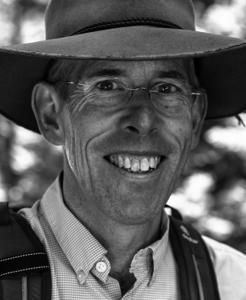
For more than a decade, One Tree Planted has turned a simple idea - one dollar, one tree - into a global movement. But as the organization enters its next chapter, CEO Hank Lynch is helping shift the focus from simply counting trees to something much deeper: restoring entire landscapes and creating places where people, wildlife, forests, soil, and water can thrive together.
Hank’s own journey helps explain why that mission matters so deeply to him. Raised on a farm and orchard, he discovered an early love of working with trees before building a career across horticulture, agriculture, biodiversity, and environmental conservation. Today, he brings those experiences to One Tree Planted, alongside a team whose shared commitment is to find practical ways to restore damaged landscapes and support the communities that depend on them.
In this conversation, Scott and Hank explore why successful restoration is about much more than putting seedlings in the ground. They discuss the importance of local knowledge, community involvement, healthy seedlings, long-term care, biodiversity, and adapting restoration strategies to the realities of different landscapes around the world.
You’ll discover:
- Why One Tree Planted is moving beyond its famous “$1 = one tree” model toward measuring meaningful landscape and forest restoration, including whether planted trees actually survive.
- How regenerative agroforestry can help smallholder farmers improve soils, retain water, strengthen biodiversity, and generate income from trees without having to cut them down.
- Why Hank believes the future of restoration depends on collaboration, passionate people, strong local partnerships, and making landscape restoration a much bigger global priority.
Play the episode to hear Hank Lynch reflect on One Tree Planted’s first decade, the lessons shaping its next chapter, and why restoring landscapes - and supporting the people who depend on them- could be one of the most important environmental challenges of our time.