
Sign up to save your podcasts
Or


From Trump’s tariff whiplash to TikTok’s strategic retreat and Lovisa’s share price tumble, this week’s episode unpacks the volatility shaping retail in 2025.
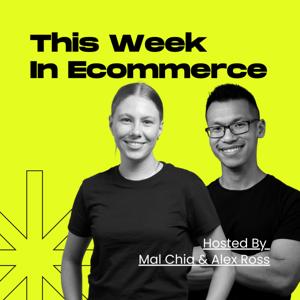
Mal and Alex break down what’s noise, what’s signal, and what Australian retailers actually need to pay attention to — especially as global trade tensions resurface and consumer confidence remains fragile.
If you’re exporting to the US, relying on TikTok Shop, or still operating on an old-school fast fashion model… this episode is a wake-up call.
📰 In This Episode
TikTok walks back mandatory Fulfilled by TikTok (FBT)
TikTok reverses its plan to force sellers onto its fulfilment network, signalling limits to platform power in early-stage social commerce.
ACCC announces 2026–27 enforcement priorities
The regulator sharpens focus on misleading pricing, digital platforms and consumer protection — with tougher enforcement expected.
Bunnings launches on Uber Eats
30,000 products now available for delivery, marking another step toward “everything commerce” and on-demand retail.
eBay acquires Depop
A major move in recommerce consolidation, as eBay doubles down on Gen Z resale and secondhand fashion.
US Supreme Court overturns Trump’s global tariffs
The initial tariff framework is struck down — but quickly replaced with a new 15% flat tariff under alternative legislation.
What the new US tariffs mean for Australian exporters
Increased volatility, margin pressure and renewed urgency around supply chain diversification.
Lovisa shares drop ~30% after weak results
Slower growth and margin compression highlight the pressure on fast-fashion retail models.
The risks of constant newness in fashion
Inventory cycles and discount dependency continue to challenge brands reliant on rapid product turnover.
The counterfeit crisis accelerates
A new study shows 78% of brands lose at least 5% of annual revenue to counterfeits — with AI and online marketplaces amplifying the issue.
Platform consolidation and shifting retail power
From TikTok to eBay, major platforms are redefining the rules — and brands must decide how much control to give up.
 View all episodes
 By Ecom Nation
From Trump’s tariff whiplash to TikTok’s strategic retreat and Lovisa’s share price tumble, this week’s episode unpacks the volatility shaping retail in 2025.
Mal and Alex break down what’s noise, what’s signal, and what Australian retailers actually need to pay attention to — especially as global trade tensions resurface and consumer confidence remains fragile.
If you’re exporting to the US, relying on TikTok Shop, or still operating on an old-school fast fashion model… this episode is a wake-up call.
📰 In This Episode
TikTok walks back mandatory Fulfilled by TikTok (FBT)
TikTok reverses its plan to force sellers onto its fulfilment network, signalling limits to platform power in early-stage social commerce.
ACCC announces 2026–27 enforcement priorities
The regulator sharpens focus on misleading pricing, digital platforms and consumer protection — with tougher enforcement expected.
Bunnings launches on Uber Eats
30,000 products now available for delivery, marking another step toward “everything commerce” and on-demand retail.
eBay acquires Depop
A major move in recommerce consolidation, as eBay doubles down on Gen Z resale and secondhand fashion.
US Supreme Court overturns Trump’s global tariffs
The initial tariff framework is struck down — but quickly replaced with a new 15% flat tariff under alternative legislation.
What the new US tariffs mean for Australian exporters
Increased volatility, margin pressure and renewed urgency around supply chain diversification.
Lovisa shares drop ~30% after weak results
Slower growth and margin compression highlight the pressure on fast-fashion retail models.
The risks of constant newness in fashion
Inventory cycles and discount dependency continue to challenge brands reliant on rapid product turnover.
The counterfeit crisis accelerates
A new study shows 78% of brands lose at least 5% of annual revenue to counterfeits — with AI and online marketplaces amplifying the issue.
Platform consolidation and shifting retail power
From TikTok to eBay, major platforms are redefining the rules — and brands must decide how much control to give up.