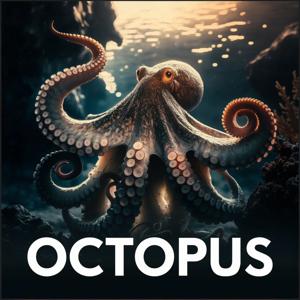
Dive into the fascinating world of comparative intelligence as we explore how octopus cognition differs from human thinking. This episode examines the unique distributed nervous system of octopuses, where two-thirds of their 500 million neurons are located in their arms rather than their brain. We compare problem-solving approaches, memory systems, and sensory processing between humans and octopuses, revealing how each species evolved distinct cognitive strategies for their environments. Learn about octopus tool use, their remarkable camouflage abilities, and escape artist behaviors that demonstrate sophisticated planning. The discussion covers how octopuses process information through their arms, taste with their tentacles, and adapt to surroundings in real-time. We explore whether octopuses possess consciousness and self-awareness comparable to humans, and what their distributed intelligence model might teach us about artificial intelligence development. The episode challenges human-centric definitions of intelligence, showing how octopuses represent an entirely different evolutionary solution to cognitive challenges. Discover why comparing human and octopus intelligence isn't about determining superiority, but understanding the remarkable diversity of cognitive solutions life has developed. Perfect for listeners interested in neuroscience, marine biology, cognitive science, and the broader questions of consciousness and intelligence across species.



 View all episodes
