
Sign up to save your podcasts
Or

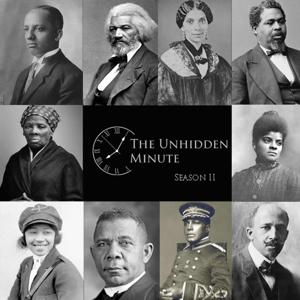

On July 9, 1868, member of Congress ratified the Fourteenth Amendment to the U.S. Constitution. In the aftermath of the American Civil War, this was a bold redefinition of who could claim their rights under the rule of law. “All persons born or naturalized in the United States, … are citizens of the United States.” This promise of birthright citizenship overturned the Dred Scott v. Sandford decision of 1857, which had denied Black Americans any claim to citizenship.
For formerly enslaved families, this was more than law. It was recognition. It meant that children born on American soil could no longer be denied their humanity or their rights. But like so much of Reconstruction, the promise was contested, overruled, and too often denied in practice.
Today, birthright citizenship remains a cornerstone of American identity. It is a reminder that our nation is not defined by exclusion, but by the enduring struggle to expand who is seen, protected, and fully recognized as an American.
The Joy Trip Project celebrates our shared American heritage. The Unhidden Minute is part of the Unhidden Podcast Project supported through a National Geographic Explorer Grant from the National Geographic Society, with the cooperation of the National Park Service. This series elevates the untold stories of Black American history.
#unhiddenblackhistory #NationalParkService #yourparkstory #NationalGeographic #unhiddenminute
Become a paid subscriber to the Unhidden Minute Podcast for one year and receive a copy The Adventure Gap: Changing the Face of the Outdoors 10th Anniversary Edition by James Edward Mills.
 View all episodes
 By James Edward Mills
On July 9, 1868, member of Congress ratified the Fourteenth Amendment to the U.S. Constitution. In the aftermath of the American Civil War, this was a bold redefinition of who could claim their rights under the rule of law. “All persons born or naturalized in the United States, … are citizens of the United States.” This promise of birthright citizenship overturned the Dred Scott v. Sandford decision of 1857, which had denied Black Americans any claim to citizenship.
For formerly enslaved families, this was more than law. It was recognition. It meant that children born on American soil could no longer be denied their humanity or their rights. But like so much of Reconstruction, the promise was contested, overruled, and too often denied in practice.
Today, birthright citizenship remains a cornerstone of American identity. It is a reminder that our nation is not defined by exclusion, but by the enduring struggle to expand who is seen, protected, and fully recognized as an American.
The Joy Trip Project celebrates our shared American heritage. The Unhidden Minute is part of the Unhidden Podcast Project supported through a National Geographic Explorer Grant from the National Geographic Society, with the cooperation of the National Park Service. This series elevates the untold stories of Black American history.
#unhiddenblackhistory #NationalParkService #yourparkstory #NationalGeographic #unhiddenminute
Become a paid subscriber to the Unhidden Minute Podcast for one year and receive a copy The Adventure Gap: Changing the Face of the Outdoors 10th Anniversary Edition by James Edward Mills.