
Sign up to save your podcasts
Or

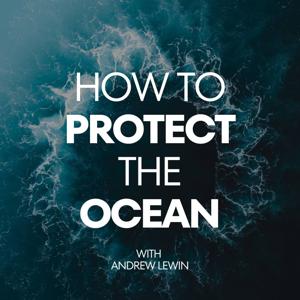

In this episode, we discuss the recent court ruling that has put Canada's plastic ban in jeopardy. Anthony, a plastics campaigner from Oceana Canada, joins us to shed light on the significance of the ruling. The court deemed the plastics being banned as non-toxic, which raised questions about the effectiveness of the ban. Anthony explains that the ruling challenges the listing of plastics as toxic under the Canadian Environmental Protection Act, which serves as the foundation for the ban. He emphasizes that the ban is still in effect as the government plans to appeal the ruling. However, during the appeal process, no new regulations are expected to be implemented. Anthony highlights the need for strong regulations and encourages individuals to get involved at the local level by advocating for bylaws that ban single-use plastics in their communities. He also mentions the upcoming Global Plastics Treaty negotiations as an opportunity to address plastic pollution on a global scale.
Oceana Canada Website: https://oceana.ca/en/our-campaigns/plastics/
Share your conservation journey on the podcast by booking here: https://calendly.com/sufb/sufb-interview Fill out our listener survey: https://www.speakupforblue.com/survey Join the audio program - Build Your Marine Science and Conservation Career: https://www.speakupforblue.com/career Facebook Group: https://bit.ly/3NmYvsIConnect with Speak Up For Blue: Website: https://bit.ly/3fOF3Wf Instagram: https://bit.ly/3rIaJSG Twitter: https://bit.ly/3rHZxpc
The episode delves into the concept that spending time in nature can foster a deeper appreciation for the environment and a stronger desire to protect it. Both the host and guest express their belief in this idea, highlighting that when people immerse themselves in nature and form a connection with it, they are more inclined to safeguard it. The guest provides examples of individuals who engage in activities like hunting, fishing, or hobbies that involve being in the environment, and how they become advocates for preserving oceans and lands. The host concurs with this perspective, emphasizing that the more time people spend in nature, the more they develop a love for it and a commitment to its protection. They also underscore the significance of organizations like Oceana in nurturing this appreciation for nature and the environment.
The podcast episode also addresses the disconnect between the scientific community and policy-making when it comes to addressing environmental issues. The speaker expresses frustration with the scientific community's focus on monitoring and reporting environmental degradation without taking practical steps to effect change. They believe that there is a lack of communication and collaboration between the scientific world in academia and the policy world that shapes environmental decisions.
To bridge this gap, the speaker shares their personal experience of transitioning from academia to working on data and policy at WWF Canada. They specifically mention their work on freshwater health assessments and their efforts to protect the Great Lakes from flawed environmental policies. One example they highlight is the absence of regulation on road salt, which they argue has devastating effects on freshwater ecosystems.
The speaker also discusses their current role at Oceania Canada, where they work on the plastics campaign. They emphasize the importance of making science-based decisions and applying valuable research findings to policy-making. They mention their ability to engage with academics and read academic papers, which allows them to integrate the worlds of science and policy.
Overall, the episode suggests the need for improved communication and collaboration between the scientific community and policymakers to effectively address environmental issues. The speaker's personal experiences underscore the importance of incorporating science into practical policy-making and making evidence-based decisions.
In the episode, the speakers emphasize the significance of habituating people to new processes and ways of interacting with their surroundings in order to bring about sustainable changes. They stress that implementing drastic changes all at once can be met with resistance and pushback. Instead, they propose a gradual approach, starting with smaller, more manageable changes.
One example mentioned in the episode is the plastic movement, which originated from the issue of plastic straws and their impact on sea turtles. The speakers argue that beginning with small changes like these helps people adjust to new ways of doing things. They also note that these smaller changes are often the ones most widely discussed and covered in the media.
The speakers also discuss the idea of effecting change on a larger scale by starting at the local level. They encourage individuals to engage in local politics and advocate for bylaws that ban single-use plastics at sports venues, for instance. They believe that by initiating change at a local level, individuals can have a broader impact and inspire others to follow suit.
Overall, the episode underscores the importance of habituating people to new processes and ways of interacting with their surroundings to bring about sustainable changes. It emphasizes that change is a gradual process and that starting with smaller, manageable changes can be more effective in the long run. Additionally, the speakers encourage individuals to get involved in local politics and push for larger-scale changes to combat plastic pollution.
 View all episodes
 By Andrew Lewin

4.8
189189 ratings
In this episode, we discuss the recent court ruling that has put Canada's plastic ban in jeopardy. Anthony, a plastics campaigner from Oceana Canada, joins us to shed light on the significance of the ruling. The court deemed the plastics being banned as non-toxic, which raised questions about the effectiveness of the ban. Anthony explains that the ruling challenges the listing of plastics as toxic under the Canadian Environmental Protection Act, which serves as the foundation for the ban. He emphasizes that the ban is still in effect as the government plans to appeal the ruling. However, during the appeal process, no new regulations are expected to be implemented. Anthony highlights the need for strong regulations and encourages individuals to get involved at the local level by advocating for bylaws that ban single-use plastics in their communities. He also mentions the upcoming Global Plastics Treaty negotiations as an opportunity to address plastic pollution on a global scale.
Oceana Canada Website: https://oceana.ca/en/our-campaigns/plastics/
Share your conservation journey on the podcast by booking here: https://calendly.com/sufb/sufb-interview Fill out our listener survey: https://www.speakupforblue.com/survey Join the audio program - Build Your Marine Science and Conservation Career: https://www.speakupforblue.com/career Facebook Group: https://bit.ly/3NmYvsIConnect with Speak Up For Blue: Website: https://bit.ly/3fOF3Wf Instagram: https://bit.ly/3rIaJSG Twitter: https://bit.ly/3rHZxpc
The episode delves into the concept that spending time in nature can foster a deeper appreciation for the environment and a stronger desire to protect it. Both the host and guest express their belief in this idea, highlighting that when people immerse themselves in nature and form a connection with it, they are more inclined to safeguard it. The guest provides examples of individuals who engage in activities like hunting, fishing, or hobbies that involve being in the environment, and how they become advocates for preserving oceans and lands. The host concurs with this perspective, emphasizing that the more time people spend in nature, the more they develop a love for it and a commitment to its protection. They also underscore the significance of organizations like Oceana in nurturing this appreciation for nature and the environment.
The podcast episode also addresses the disconnect between the scientific community and policy-making when it comes to addressing environmental issues. The speaker expresses frustration with the scientific community's focus on monitoring and reporting environmental degradation without taking practical steps to effect change. They believe that there is a lack of communication and collaboration between the scientific world in academia and the policy world that shapes environmental decisions.
To bridge this gap, the speaker shares their personal experience of transitioning from academia to working on data and policy at WWF Canada. They specifically mention their work on freshwater health assessments and their efforts to protect the Great Lakes from flawed environmental policies. One example they highlight is the absence of regulation on road salt, which they argue has devastating effects on freshwater ecosystems.
The speaker also discusses their current role at Oceania Canada, where they work on the plastics campaign. They emphasize the importance of making science-based decisions and applying valuable research findings to policy-making. They mention their ability to engage with academics and read academic papers, which allows them to integrate the worlds of science and policy.
Overall, the episode suggests the need for improved communication and collaboration between the scientific community and policymakers to effectively address environmental issues. The speaker's personal experiences underscore the importance of incorporating science into practical policy-making and making evidence-based decisions.
In the episode, the speakers emphasize the significance of habituating people to new processes and ways of interacting with their surroundings in order to bring about sustainable changes. They stress that implementing drastic changes all at once can be met with resistance and pushback. Instead, they propose a gradual approach, starting with smaller, more manageable changes.
One example mentioned in the episode is the plastic movement, which originated from the issue of plastic straws and their impact on sea turtles. The speakers argue that beginning with small changes like these helps people adjust to new ways of doing things. They also note that these smaller changes are often the ones most widely discussed and covered in the media.
The speakers also discuss the idea of effecting change on a larger scale by starting at the local level. They encourage individuals to engage in local politics and advocate for bylaws that ban single-use plastics at sports venues, for instance. They believe that by initiating change at a local level, individuals can have a broader impact and inspire others to follow suit.
Overall, the episode underscores the importance of habituating people to new processes and ways of interacting with their surroundings to bring about sustainable changes. It emphasizes that change is a gradual process and that starting with smaller, manageable changes can be more effective in the long run. Additionally, the speakers encourage individuals to get involved in local politics and push for larger-scale changes to combat plastic pollution.

3,213 Listeners

602 Listeners

12,220 Listeners

413 Listeners

416 Listeners

159 Listeners

352 Listeners

24,405 Listeners
3,398 Listeners
111 Listeners

15,247 Listeners
177 Listeners

2,818 Listeners

2,474 Listeners

850 Listeners