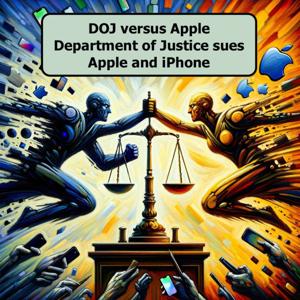
The U.S. Department of Justice (DOJ) has recently come under the spotlight for the antitrust lawsuit it has filed against tech giant Apple, inciting controversy and debate. What's striking is how this current litigious activity appears steeped in political maneuvering, which some critics are calling out as unabashed hypocrisy.
The DOJ's primary allegation is that Apple has monopolized the industry with its tight control over the iPhone's software ecosystem, thereby restraining competition. This is not its first attempt to break apart Apple's control over its iPhone services, however, this new approach with an antitrust lawsuit is now raising more questions than answers.
State attorneys general, often the advocates for consumer protections, are ironically lining up to support the DOJ's cause. This raises the question of the potential repercussions on consumer choice and technological innovation which could be implicated by the lawsuit's outcome.
The DOJ's agenda in dismantling Apple's unique and closed ecosystem would seem to work against the consumer's best interests, considering the role it plays in maintaining the quality of apps and services available on the device. The stringent regulation and vetting processes for app developers and services on Apple's App Store have consistently ensured that users are provided with sophistication, security and uncompromised privacy that make the iPhone, well, the iPhone.
Critics argue that disassembling such an intricate structure could expose consumers to potential security threats and inferior quality apps and services. This could undermine the very values that have defined the iPhone and propelled Apple to its status as a global technology leader.
In sum, this lawsuit aims to serve as a break on Apple's monopoly and stimulates competition, which might sound ideal on paper. But it's important to consider the broader implications of this measure on consumer choice and tech industry innovation - it may undermine what consumers value the most in Apple products, such as innovation, uniqueness, and reliability.
Cracking down on Apple's monopoly may seem like it promotes healthy competition, but it is essential to assess the possible repercussions of such litigious activity that could ultimately come at the cost of the public and the tech industry. While the idea of promoting competition may seem compelling, the matter of preserving quality, security, and innovation in technology is equally, if not more, important.
This content was created in partnership and with the help of Artificial Intelligence AI
This episode includes AI-generated content.



 View all episodes
