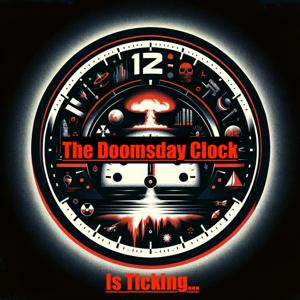
The Doomsday Clock: The Origin of a Symbol that Warns Against Humanity's Looming Annihilation In 1947, mankind first gave visual form to the precarious precipice of its own imminent destruction through the invention of an ominous ticking timeline known as the "Doomsday Clock." This stark metaphorical symbol sought to convey the urgent threats that the unrestrained development of immensely powerful technologies could one day unleash, triggering humankind's extinction in a man-made global catastrophe of its own making. For over 75 years and counting, the hands of the Doomsday Clock have hung perpetually near the terrifying midnight hour, periodically adjusted to account for fluctuations in existential dangers that could abruptly shatter civilization across interconnected modern societies worldwide. Genesis of an Eye-Catching Warning to the World The immediate impetus behind the Doomsday Clock arose following the devastation wrought by dropping the first wartime atomic bombs over Hiroshima and Nagasaki in 1945, giving startled atomic scientists direct experience of how such ruinous weapons could escalate through proliferation. Haunted by witnessing such unprecedented, unrestrained destruction affecting the lives of hundreds of thousands of innocents, these researchers associated with the secretive Manhattan Project felt ethically compelled to issue a symbolic warning for humanity before military and political factors determining their use spiraled irreversibly out of control. To make their message visually striking to the public, artist Martyl Langsdorf collaborated closely in early 1947 with the Bulletin magazine's editor Eugene Rabinowitch, devising an alarming cover image intended to evoke worrisome concerns about humanity's future should control over such weapons loosen. Her arresting choice involved a clock face representing the current figurative countdown proximity towards what she termed society's "midnight" - or impending destruction through technologies that groups like the Manhattan Project originally developed for pragmatic defense purposes rather than civilian uses with limited controls. Through the Bulletin's wide circulation, this disquieting debut Doomsday Clock cover in June 1947 featuring midnight only "seven minutes" away did graphically convey that message, reaching audiences internationally and announcing the recurring Clock's intention to function as a metaphorical warning urging sanity to prevail over fear or knee-jerk political reactions carrying unforeseeable long-term consequences. 75 Years of Ominous Updates Tracking the Fragility of Existence In the earliest years following WWII and its devastating climax, the possibility of all-out nuclear warfare represented the Bulletin scientists' foremost cited factor when evaluating Doomsday Clock status, given recent events demonstrating such perils. Thus, amidst heightening Cold War tensions as former allies split, projecting power globally through competitive posturing and scatte
This content was created in partnership and with the help of Artificial Intelligence AI.



 View all episodes
