
Sign up to save your podcasts
Or

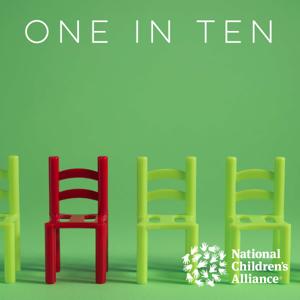

Season 1, Episode 12, “The Family-Focused Advocate.” One barrier to improved outcomes for children is getting families to participate in and complete mental health treatments. We have the services available at Children’s Advocacy Centers (CACs), but not enough families take advantage of them. This is a family engagement problem. How do we change that? We spoke to Libby Ralston from Project BEST about a shift in the way we communicate—and a focus on family advocacy. What barriers must we overcome? And how can our team partners help make the case for treatment?
Topics in this episode:
· The value of caregivers’ support and involvement in their child’s treatment. (1:24)
· Strategies to engage families in services. (6:20)
· Barriers to participating in treatment. (9:42)
· Trauma-screening and assessments as family engagement tools. (13:42)
· A shift in the way we communicate. (18:40)
· Do you have a family engagement problem? (20:25)
· We’re communicating caring. (27:15)
· Our multidisciplinary team (MDT) partners can help. (29:16)
Links:
Motivational interviewing
The reference to our data is about NCA’s Outcome Measurement System
The family engagement training project refers to the Enhance Early Engagement (E3) Training for Children’s Advocacy Centers’ Victim Advocates, a project that NCA and the University of Oklahoma Health Sciences Center are conducting in 2020.
Learn more about the work of Children’s Advocacy Centers and National Children’s Alliance on our website, read our annual report, and visit us on Facebook.
Support the show
Did you like this episode? Please leave us a review on Apple Podcasts.
 View all episodes
 By National Children's Alliance

4.6
3737 ratings
Season 1, Episode 12, “The Family-Focused Advocate.” One barrier to improved outcomes for children is getting families to participate in and complete mental health treatments. We have the services available at Children’s Advocacy Centers (CACs), but not enough families take advantage of them. This is a family engagement problem. How do we change that? We spoke to Libby Ralston from Project BEST about a shift in the way we communicate—and a focus on family advocacy. What barriers must we overcome? And how can our team partners help make the case for treatment?
Topics in this episode:
· The value of caregivers’ support and involvement in their child’s treatment. (1:24)
· Strategies to engage families in services. (6:20)
· Barriers to participating in treatment. (9:42)
· Trauma-screening and assessments as family engagement tools. (13:42)
· A shift in the way we communicate. (18:40)
· Do you have a family engagement problem? (20:25)
· We’re communicating caring. (27:15)
· Our multidisciplinary team (MDT) partners can help. (29:16)
Links:
Motivational interviewing
The reference to our data is about NCA’s Outcome Measurement System
The family engagement training project refers to the Enhance Early Engagement (E3) Training for Children’s Advocacy Centers’ Victim Advocates, a project that NCA and the University of Oklahoma Health Sciences Center are conducting in 2020.
Learn more about the work of Children’s Advocacy Centers and National Children’s Alliance on our website, read our annual report, and visit us on Facebook.
Support the show
Did you like this episode? Please leave us a review on Apple Podcasts.

43,528 Listeners

26,984 Listeners
25,797 Listeners

14,514 Listeners
87,529 Listeners

111,948 Listeners

56,508 Listeners
1,448 Listeners
6,381 Listeners

18,053 Listeners

5,530 Listeners

41,321 Listeners

8,271 Listeners

736 Listeners

1,737 Listeners